The ark of the covenant took about 400 – 450 years to arrive at Jerusalem. In the first reading tonight, we heard the end of the story, the arrival. But it was a long journey to the holy city.
I won’t go into very many details about the history of the ark. We probably all know that the ark of the covenant was a gilded wooden shrine built by Moses at the foot of Mount Sinai from directions that he had received from the Lord. It contained the tablets with the ten commandments written on them. It was portable – as we heard in the reading from Chronicles – and carried by Levites during the 40 years of wanderings in the desert. Whenever God’s people would stop in their journey, they would build a tent or tabernacle for the ark, and the cloud of God’s glory would descend on the tent.
When Israel entered the land given to them by God, the ark of the covenant remained in its tent at Shiloh for about 369 years until King David had it brought up to the royal city of Jerusalem. David’s son, Solomon, would build a temple for it and it would rest there until the Babylonian conquest of Israel. The ark then was either hidden by God’s people or destroyed by the Babylonians along with the temple.
The ark was a powerful symbol of God’s closeness and faithfulness to his people and their own covenant commitment to God. But as the Lord said to David through the prophet Nathan (2:Sam:7), God did not ask for a house to be built for him – God wanted to build a house, a family, a nation, from David’s descendants who would be a faithful light to the world.
By the time that God sent his Only-begotten Son, the Word, to be born of the Virgin Mary, the ark of the covenant had long disappeared from Israel and was not present in the reconstructed temple of Jerusalem. The loss of the tablets of the commandments was perhaps a sad and dramatic sign of a new and eternal covenant that needed to be made.
It is not surprising that the Church’s Tradition will compare the Blessed Virgin Mary, the mother of the Lord Jesus, to the ark of the covenant. On this Vigil of Our Lady’s bodily assumption into heaven, the reading from Chronicles helps us to think of Mary’s being taken up body and soul to the heavenly Jerusalem with great rejoicing like the ark to the City of David.
Mary most holy is the Ark of the New Covenant because she is the mother of God’s Word made flesh, Jesus Christ. Mary was literally the first true tabernacle or tent of God’s dwelling in our flesh through the presence of God’s Son Jesus in her womb.
At the same time, the Church’s teaching about Our Lady – always rooted solidly in Sacred Scripture – emphasizes that Our Lady is not to be honoured for simply carrying God’s Son as if she were merely a container or vessel. This was settled already during the course of Jesus’ ministry as a woman in the crowd cries out to honour Mary the mother of Jesus for giving him birth and nursing him as a baby. The Lord Jesus points out in the Gospel tonight that his mother should be honoured more for her faith and her continual Yes to God’s Word in her life as a disciple. As St. Augustine commented famously on this passage saying that Our Lady conceived Christ first in her heart before she conceived him in her womb. (See Augustine, Sermon 25).
Mary had a very important role in the life and ministry of God’s Son. Along with her chaste spouse Saint Joseph, Mary was Jesus’ first teacher and example. Though Son of God from all eternity, Jesus received his human nature in time, as we do, day by day, and so the Gospel pictures Jesus learning and growing as a man “in wisdom and in years.” (See Luke 2:52) In the Gospel Mary – like the ark with the words of the covenant – accompanies her Son at all the major points of his saving pilgrimage in this world: to Bethlehem for his birth, to exile in Egypt, to Nazareth as a youth, to the temple at Jerusalem, to a wedding at Cana when he began his public ministry, on his journeys, at Calvary near his Cross, and finally with the disciples at Pentecost.
Mary mysteriously was a mother and teacher to her Son, but quickly in the Scriptures those roles are reversed, and she is seen more and more as his most faithful disciple: “Blessed are those … who hear the word of God and obey it!” Mary Immaculate, faithful to God from her own conception as a baby in the womb of St. Anne, grew in faith through her relationship with her Son. Jesus continues to deepen his mother’s already profound faith in the exchanges we see in the Gospels: “Woman, what concern is that to you and to me,” he says at Cana (Jn 2:4); “Why were you searching for me,” he asks at the temple after his parents have been searching three days (Lk 2:49); “Who is my mother and who are my brothers … whoever does the will of my Father in heaven […].” (Mt 12:49-50) Finally on the Cross, Jesus gives her away to the beloved disciple John: “Behold your son.” (Jn 19:26) Mary’s faith grew as she continued to follow her Son and encounter his Cross. She was invited repeatedly to surrender her Son to the Father’s plan, and to surrender herself. Mary continued to put God’s word into practice and becomes the mother of the Church, the mother of Jesus’ disciples, at the foot of the Cross and in the Upper Room.
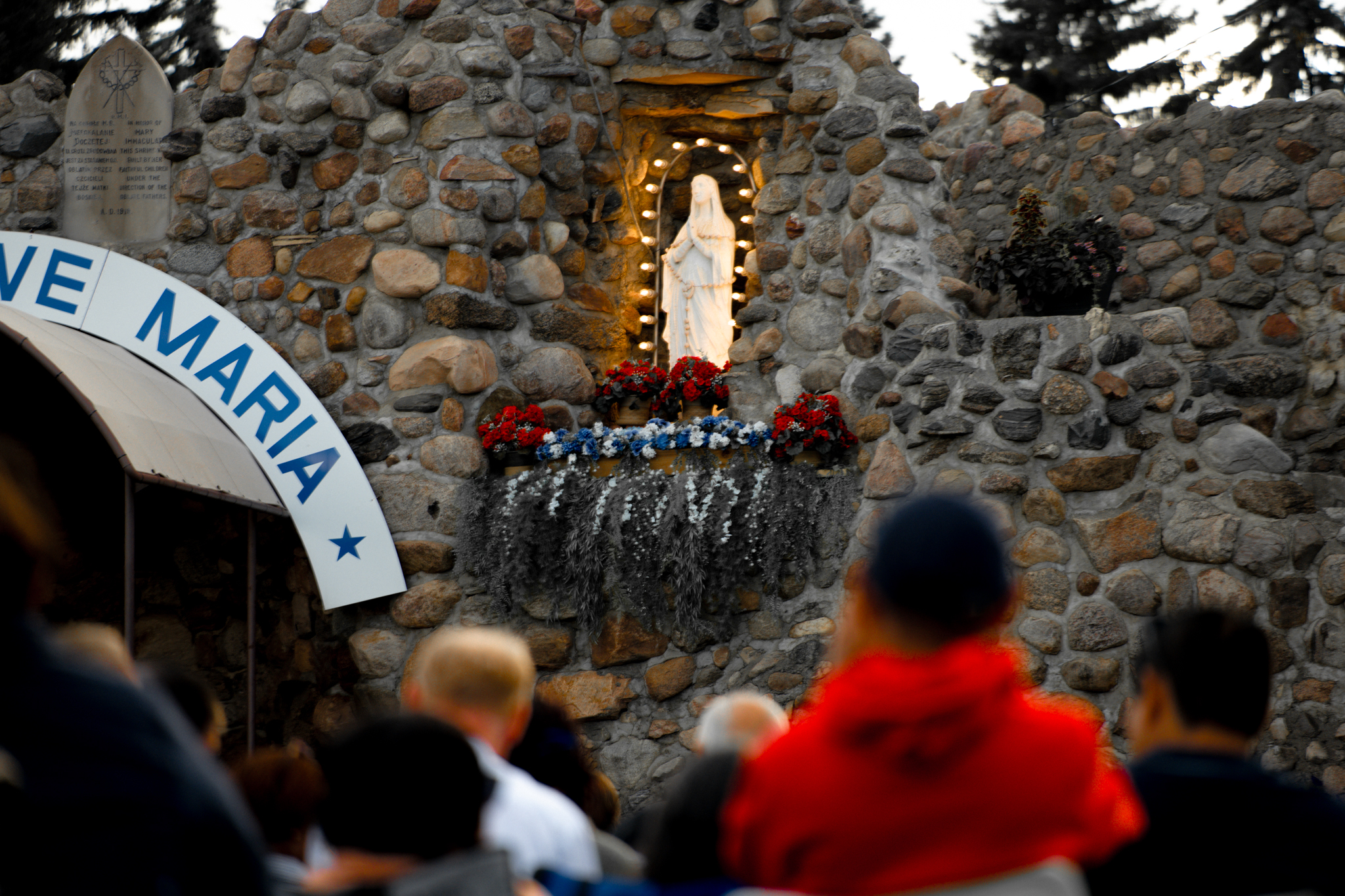
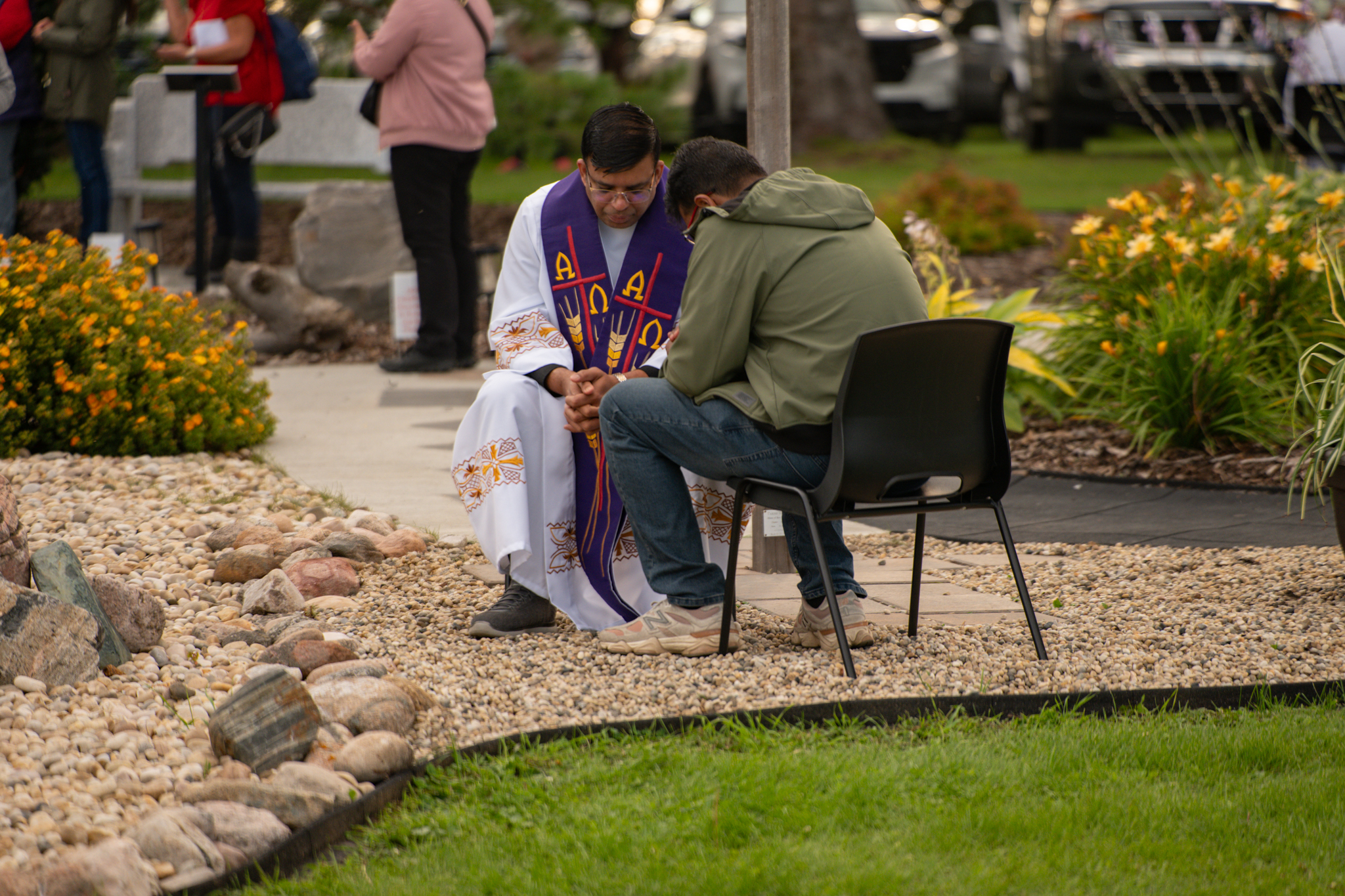
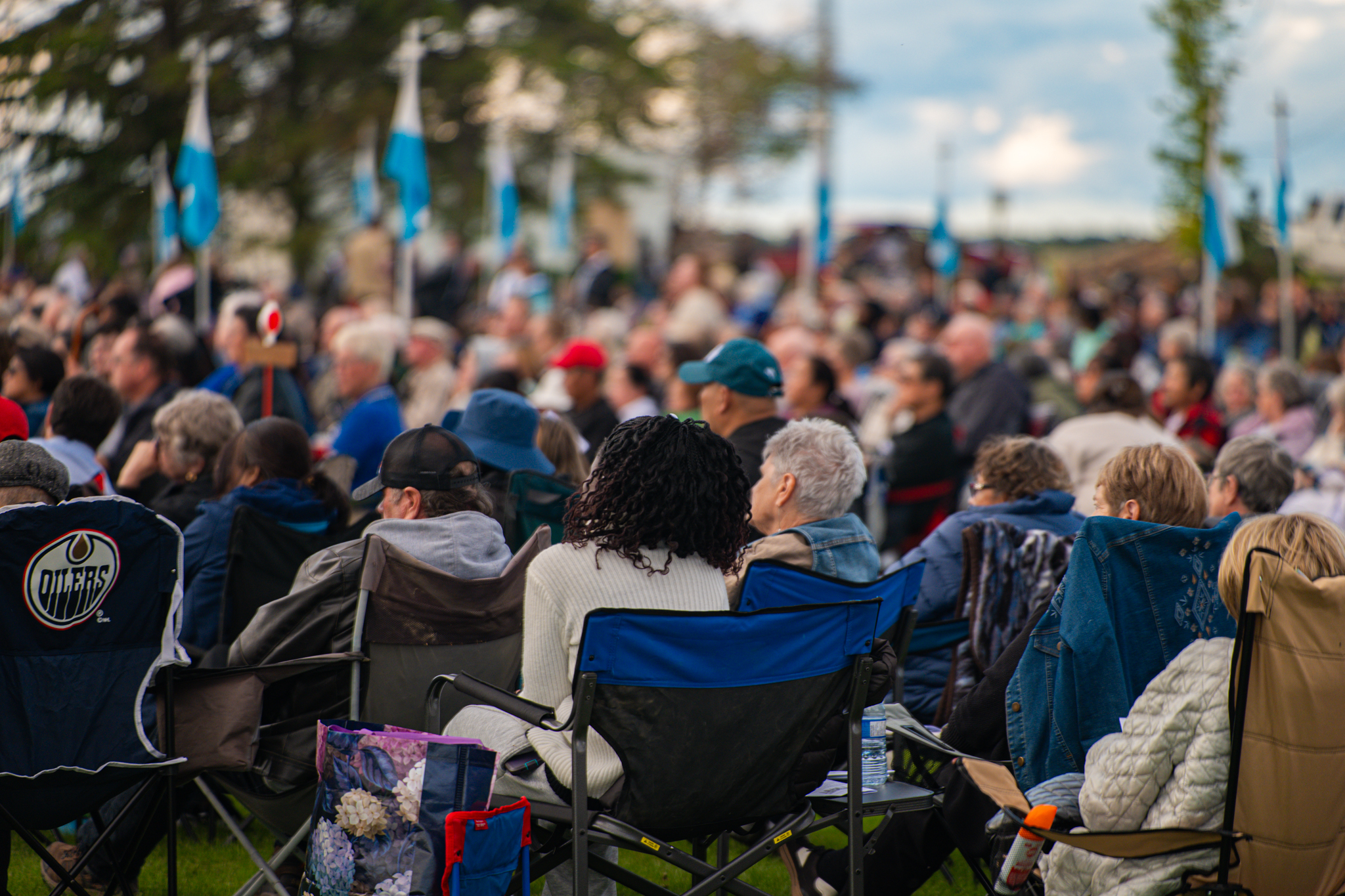
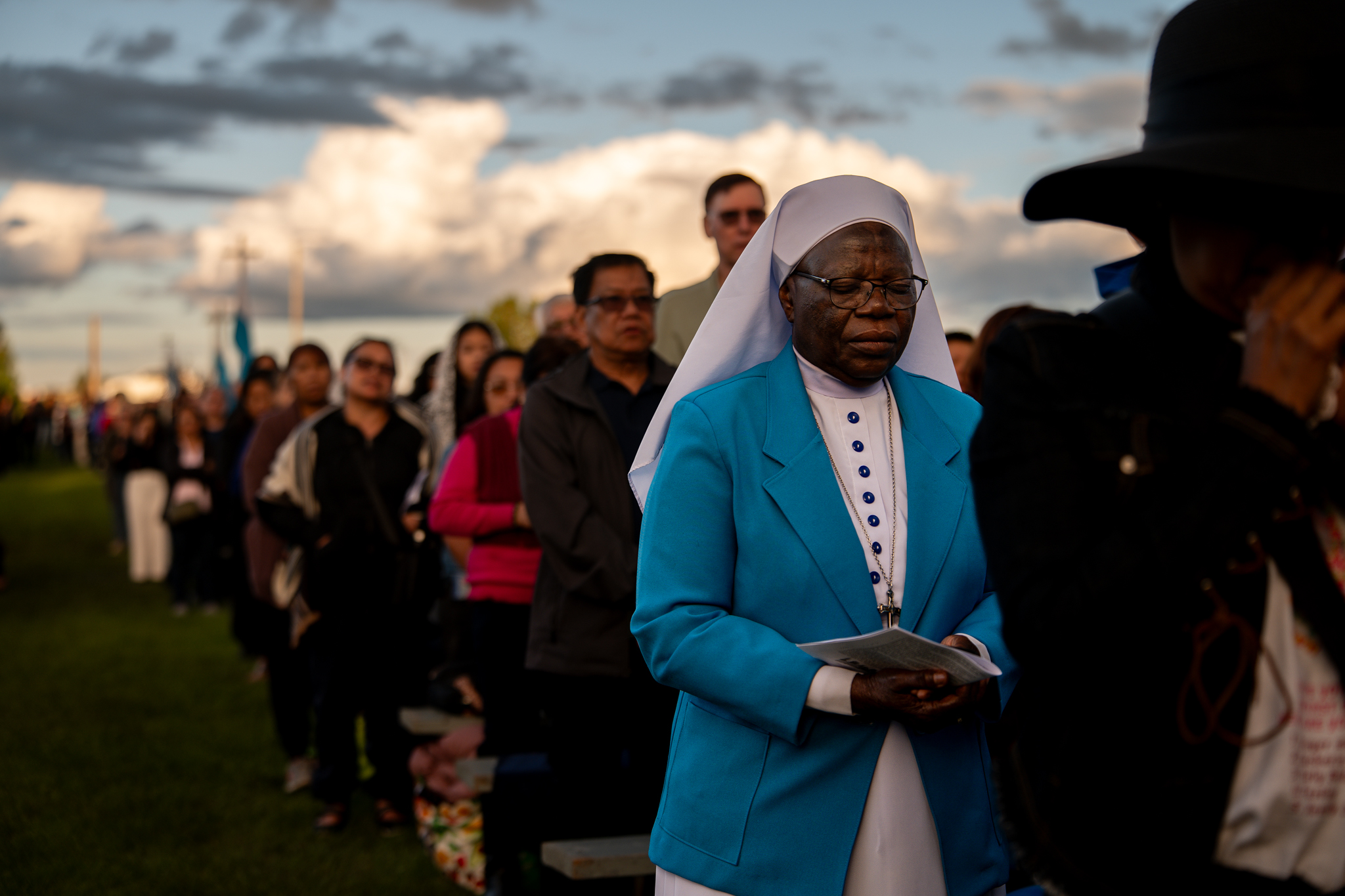
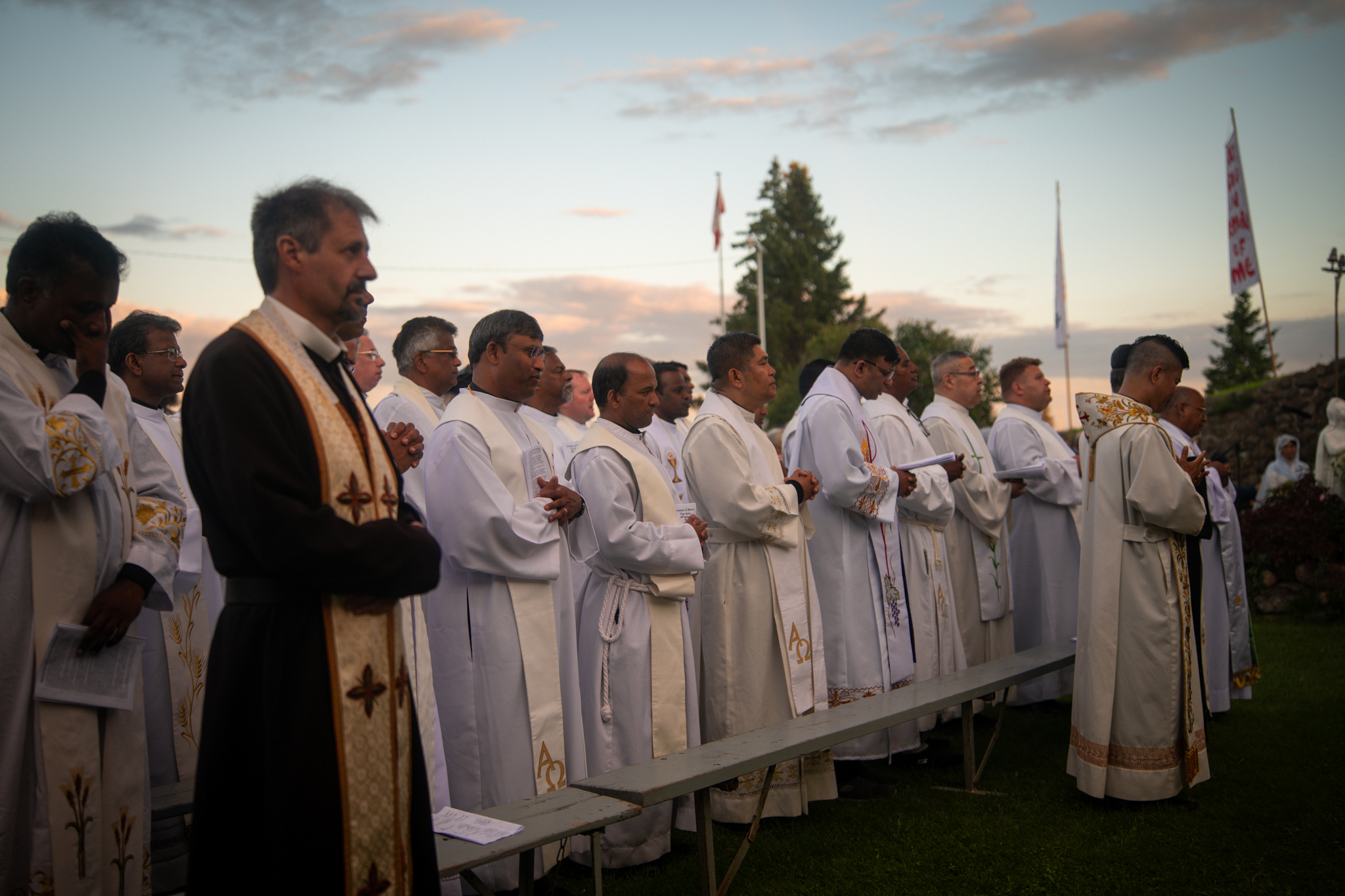
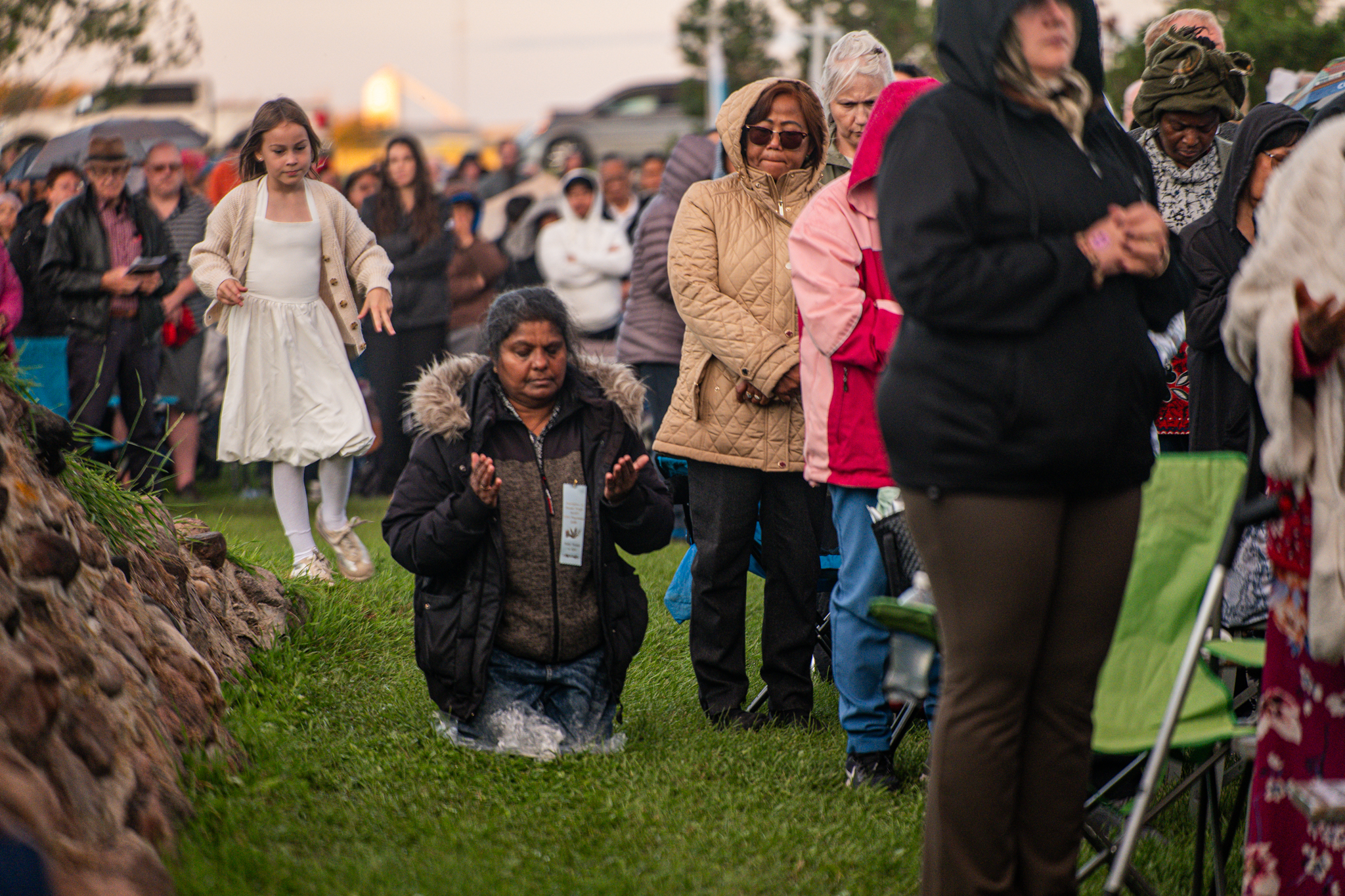
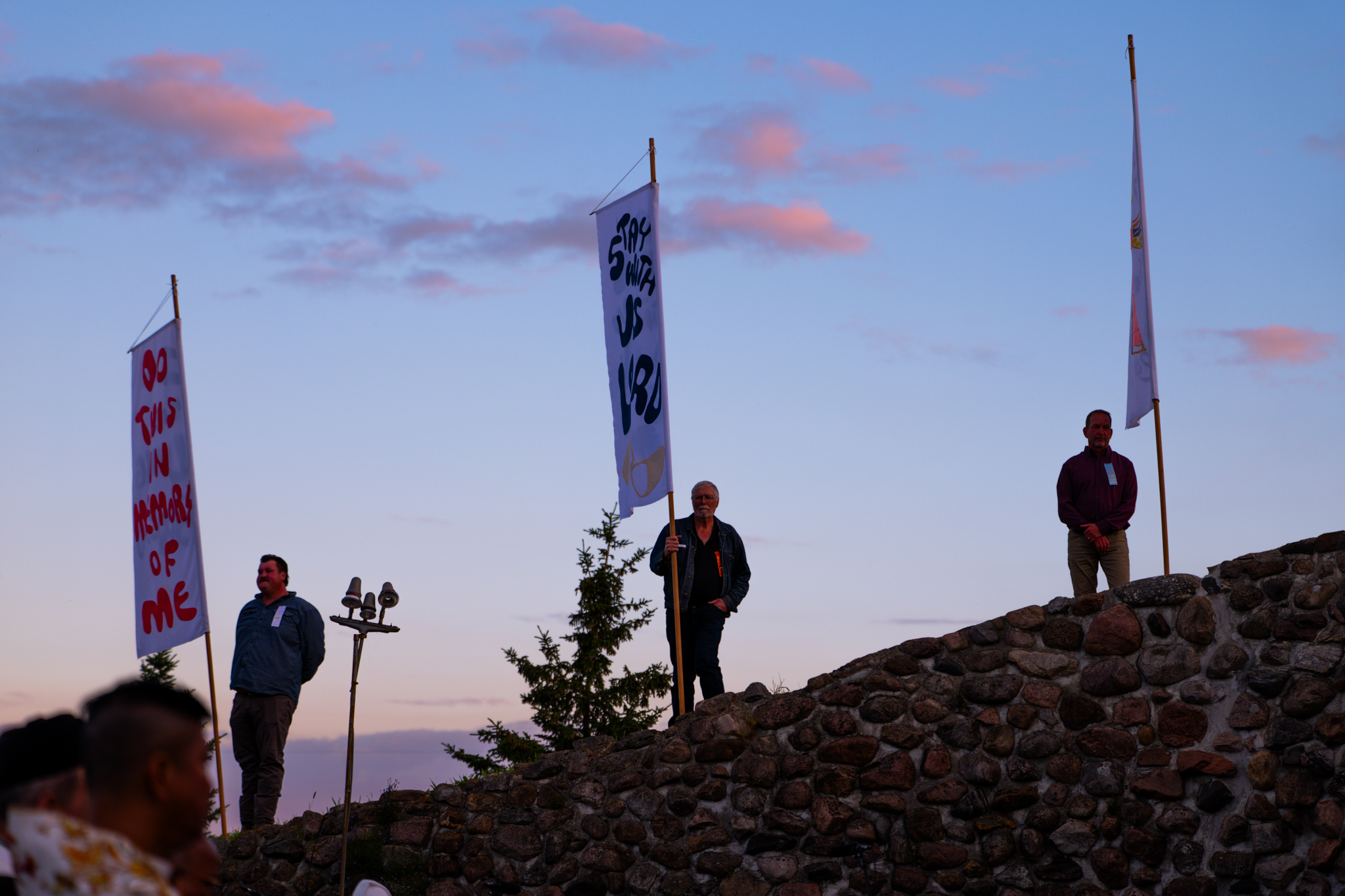
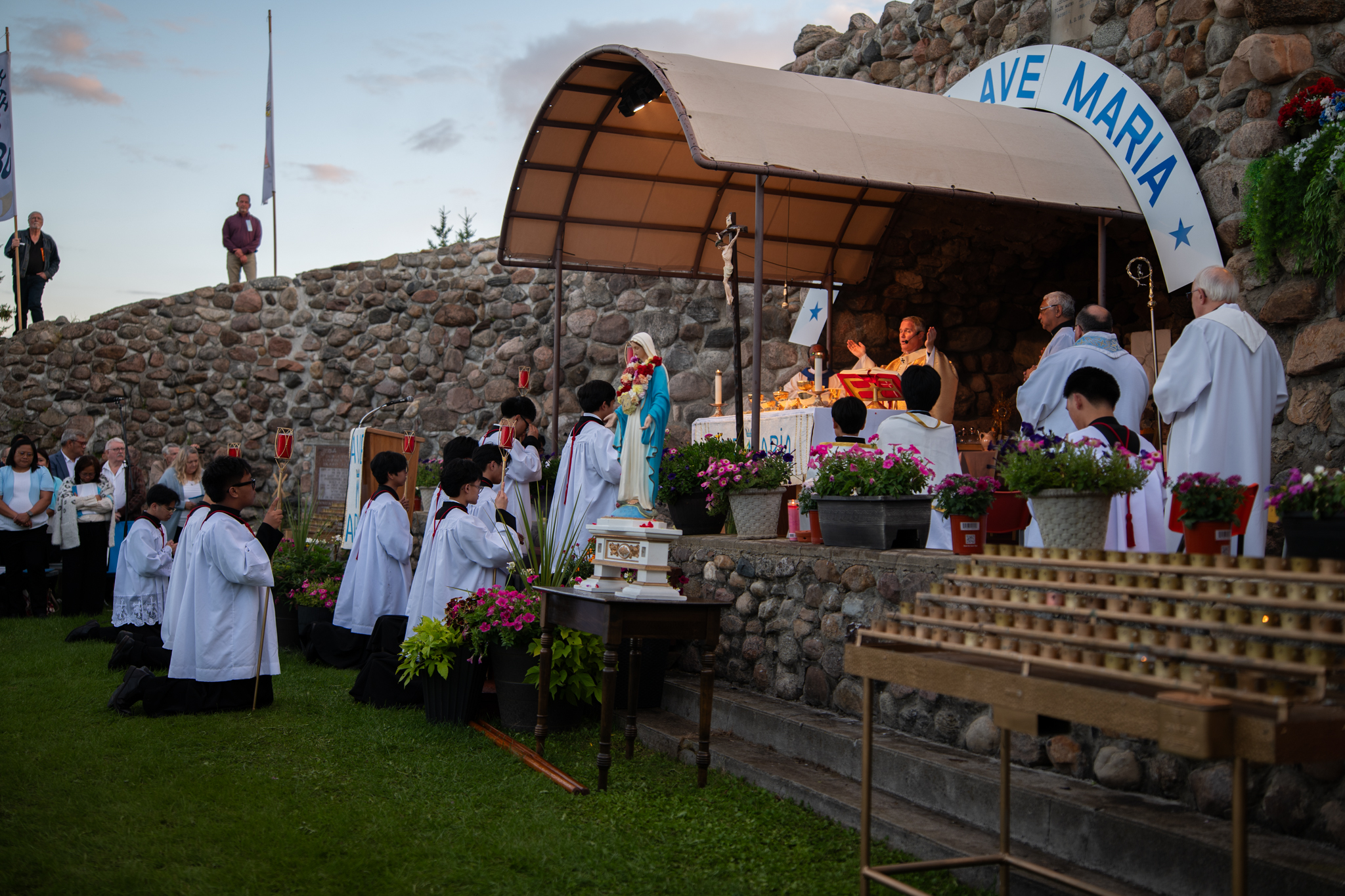
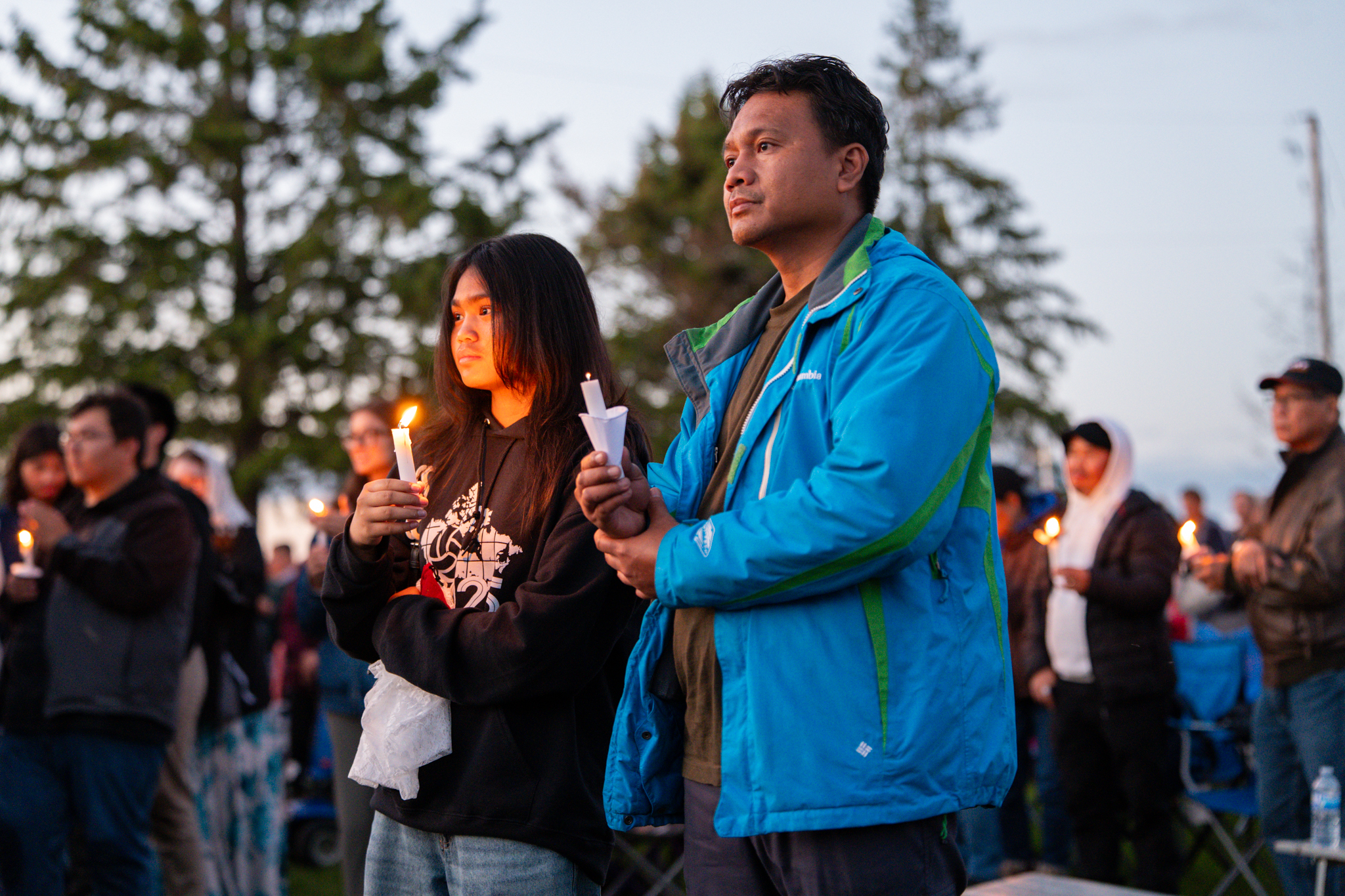
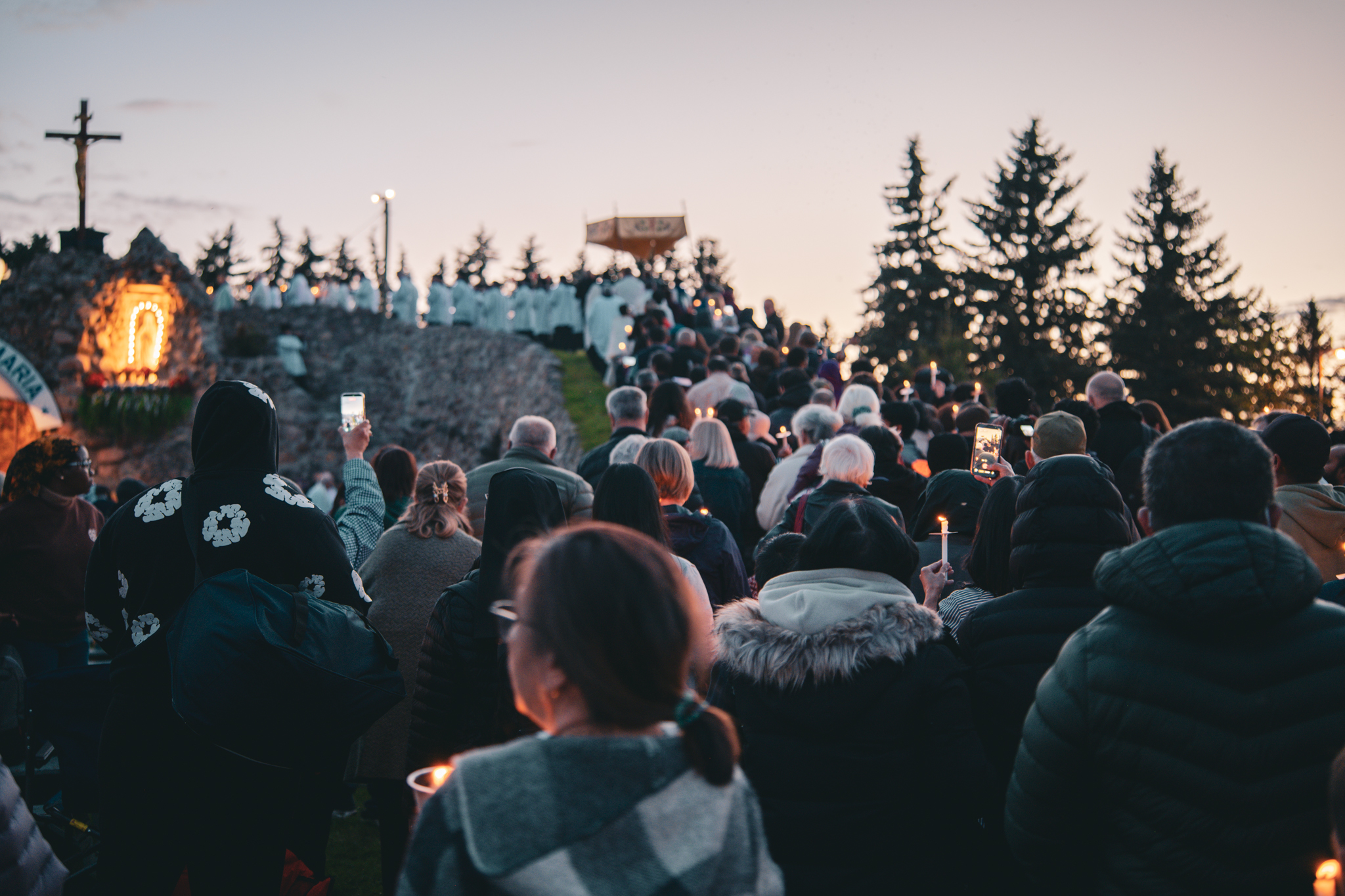
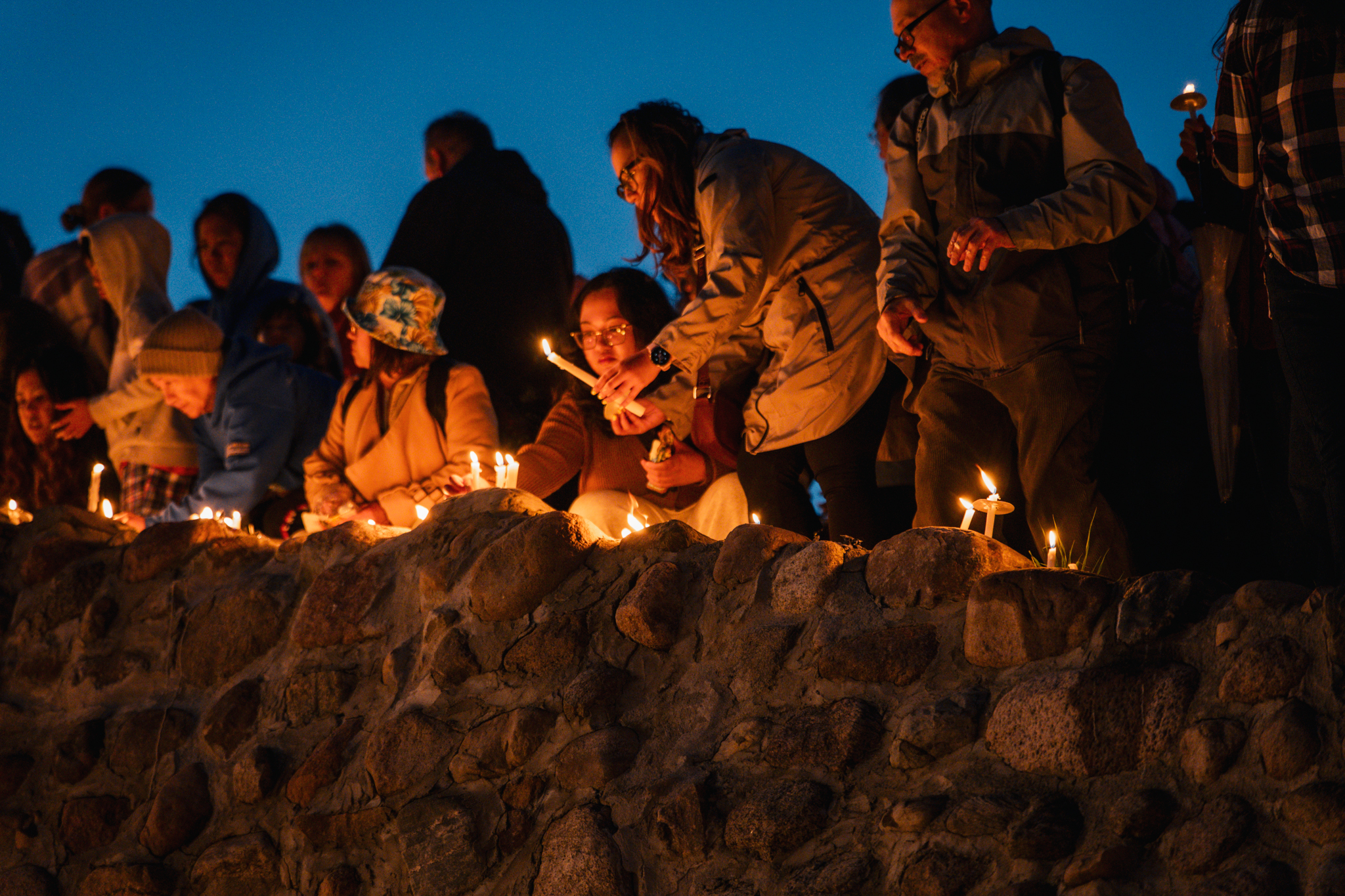
We gather this evening for the Vigil to the Assumption at this beautiful shrine to Our Lady. This holy place was built by faithful disciples of Jesus in this parish of Skaro over 100 years ago to be kind of tent or tabernacle that recalls the mother of Jesus and the ways that she shows us how to follow her Son Jesus our Saviour. The pioneers of this parish gave us a church and shrine to celebrate the Mass and to honour the mother of God. Mary is truly the mother of Good Counsel and in this Grotto that resembles her apparition at Lourdes, her closeness to God is revealed and her motherly nearness and concern for us as well. Our blessed Mother hears our prayers, intercedes for us, brings us easily and powerfully to her Son. At this pilgrimage, we all come with our different needs and intentions in our hearts. We can trust in the powerful example and help of this good Mother whom Jesus himself gave to us at the foot of his Cross to be our Mother too.
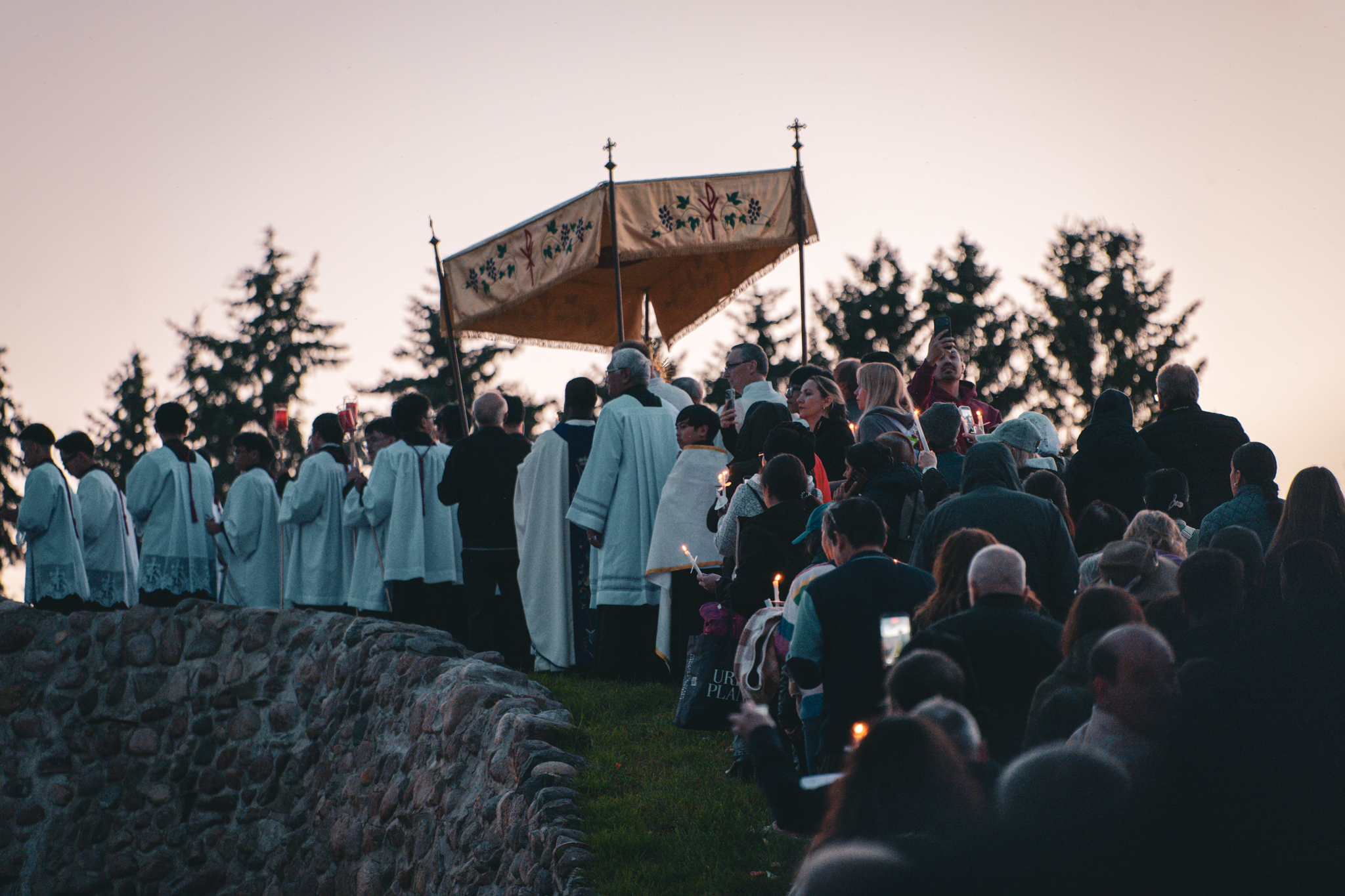
At the end of Mass tonight, brothers and sisters, we will carry the Blessed Sacrament up and around the grotto. We can take this procession in two ways: as a sign of the Lord’s Eucharistic Presence among us on our journey through life but also as the Risen Lord’s ascension to heaven. Our faith teaches us that his blessed Mother, free from sin and always faithful in living the Gospel through the hardships of her life, followed Jesus’ own journey to the heavens, body and soul. Mary is in heaven body and soul along with her Risen Son Jesus. This is also God’s plan and hope for us. As we meet the Lord in this Eucharist and share in his life, you and I are called to be tabernacles, tents of the Word, living in the ark of God’s Church. We are called to bear Christ to others by our example, our love, and our help.
✠ Most Rev. Stephen A. Hero
Archbishop of Edmonton
Skaro Shrine
August 14, 2026
Sign up for The WINDOW, the weekly electronic bulletin with news from the Archdiocese of Edmonton.