Indignatio principis mors est. William Roper (the son-in-law of St. Thomas More and, incidentally, also a lawyer) wrote the first biography of this enigmatic Saint shortly after More’s martyrdom.
The biography is full of anecdotes from More’s family and friends who shared them with son-in-law Roper and who weaves them together as a sort of legal testimony to the truth of St. Thomas More’s remarkable life. He sets the record straight about this holy man executed ostensibly for treason against the Crown.
At one point Roper reports a conversation between the Duke of Norfolk and Sir Thomas More. Norfolk tries to warn his friend against opposing Henry VIII for declaring himself head of the Church in England and also in the “great matter” of the King’s divorce from Catherine of Aragon.
Norfolk says to More: “By God’s Body [we would say “by the Blessed Sacrament”] … by God’s Body, master More, Indignatio principis mors est [The anger of the sovereign is death]. “Is that all, my Lord?’ said Thomas. “Then in good faith is there no more difference between your grace and me, but that I shall die today, and you tomorrow.”
Thomas More made light of this threat to his life in this world. He was more concerned about the life and health of his soul and the example he gave to his family. The pithy Latin sentence is to my mind also a (unintended?) pun on More’s name: Indignatio principis mors est. The anger of the prince [the sovereign] Mors est. It sounds like Morus est (the Latin form of More’s name.) The anger of the king is death, yes, but the anger of the king is also Thomas More. Mors est.
Going a little further down this rabbit hole, then, More’s provoking the displeasure of his sovereign by simply holding true to the Catholic faith is the making of More, the real life of More. He is being true to his conscience and very self, true to the man that God has called him to be.
The anger of the king is More, and is the making of More. Death is incidental; it comes sooner rather than later. “I shall die today,” as More says to Norfolk, “and you tomorrow.”

Son-in-law Roper also remembers Sir Thomas saying realistically of the King’s apparent favour and friendship: “If my head should win him a castle in France, it should not fail to go.”
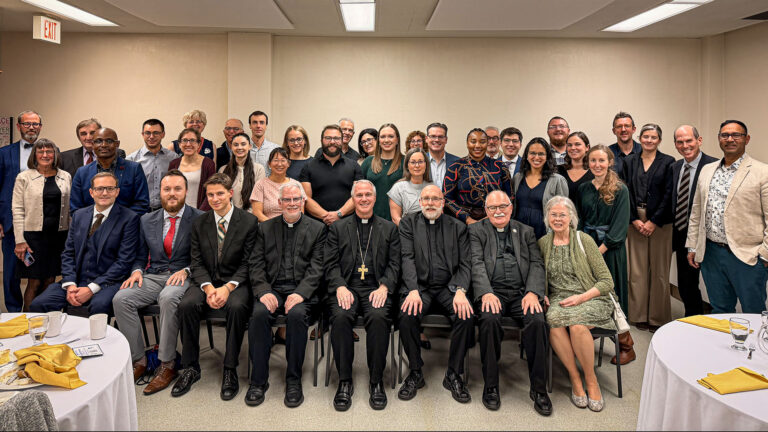
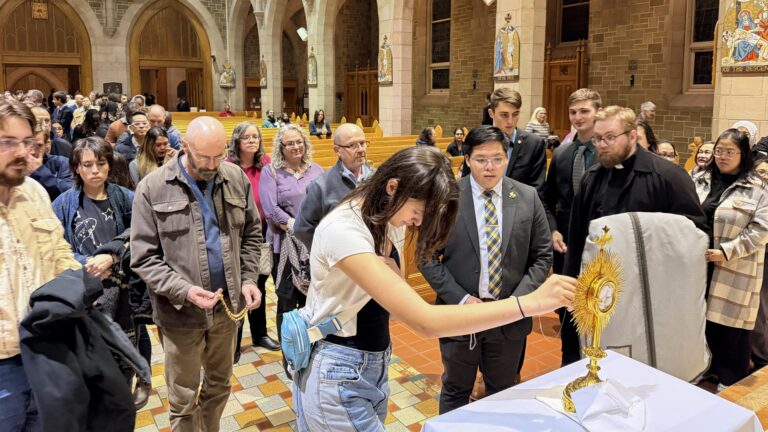
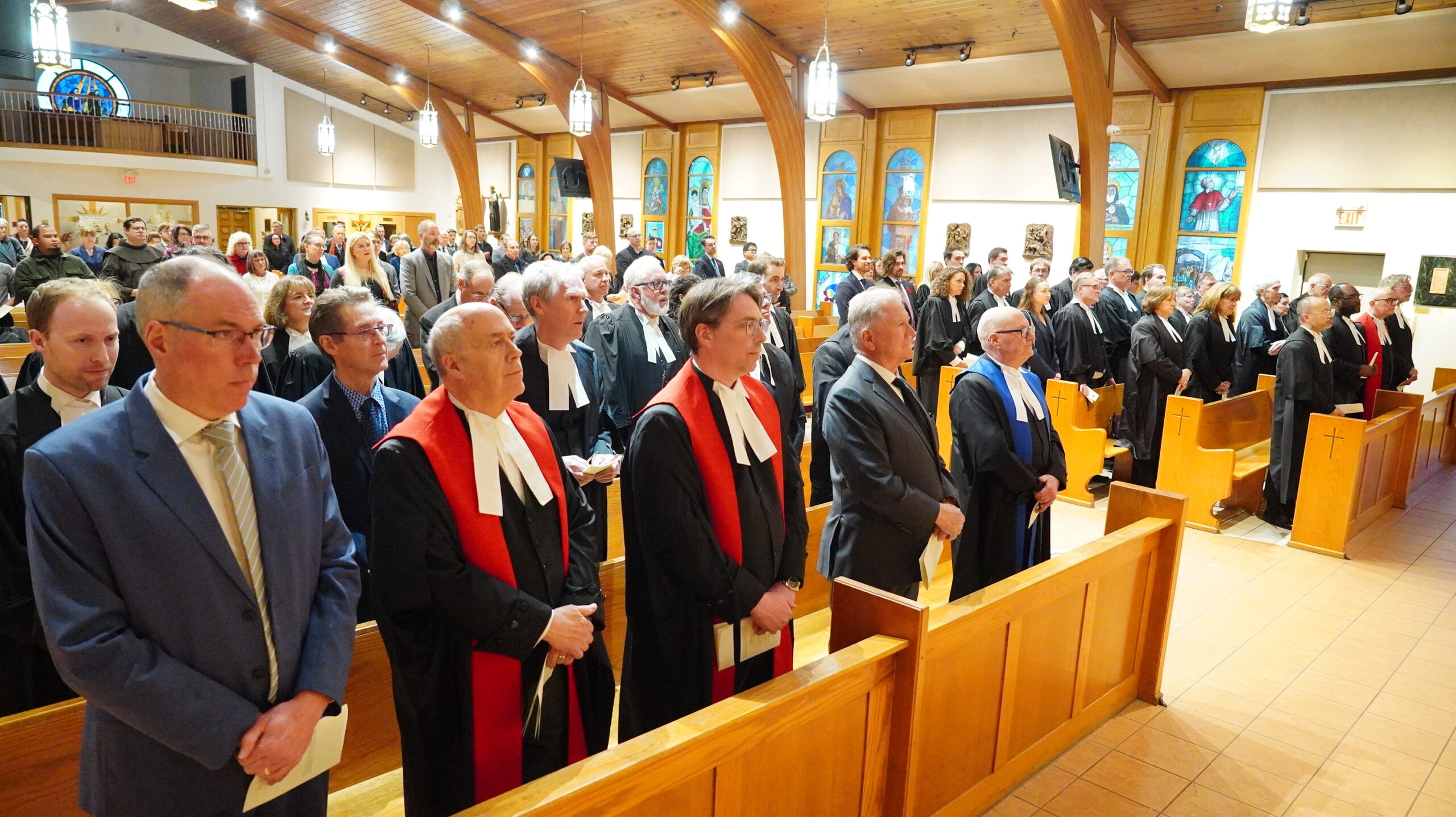
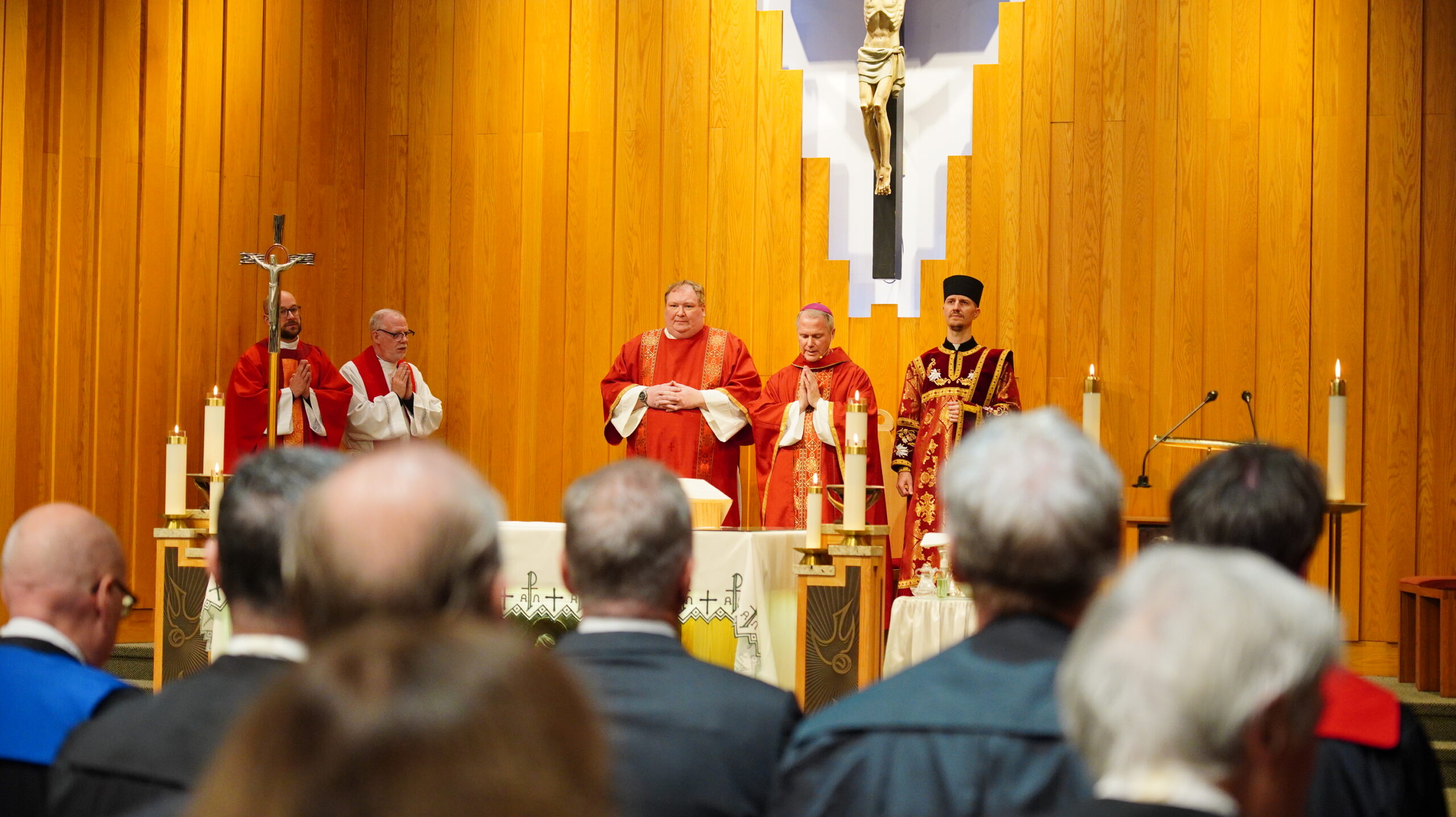
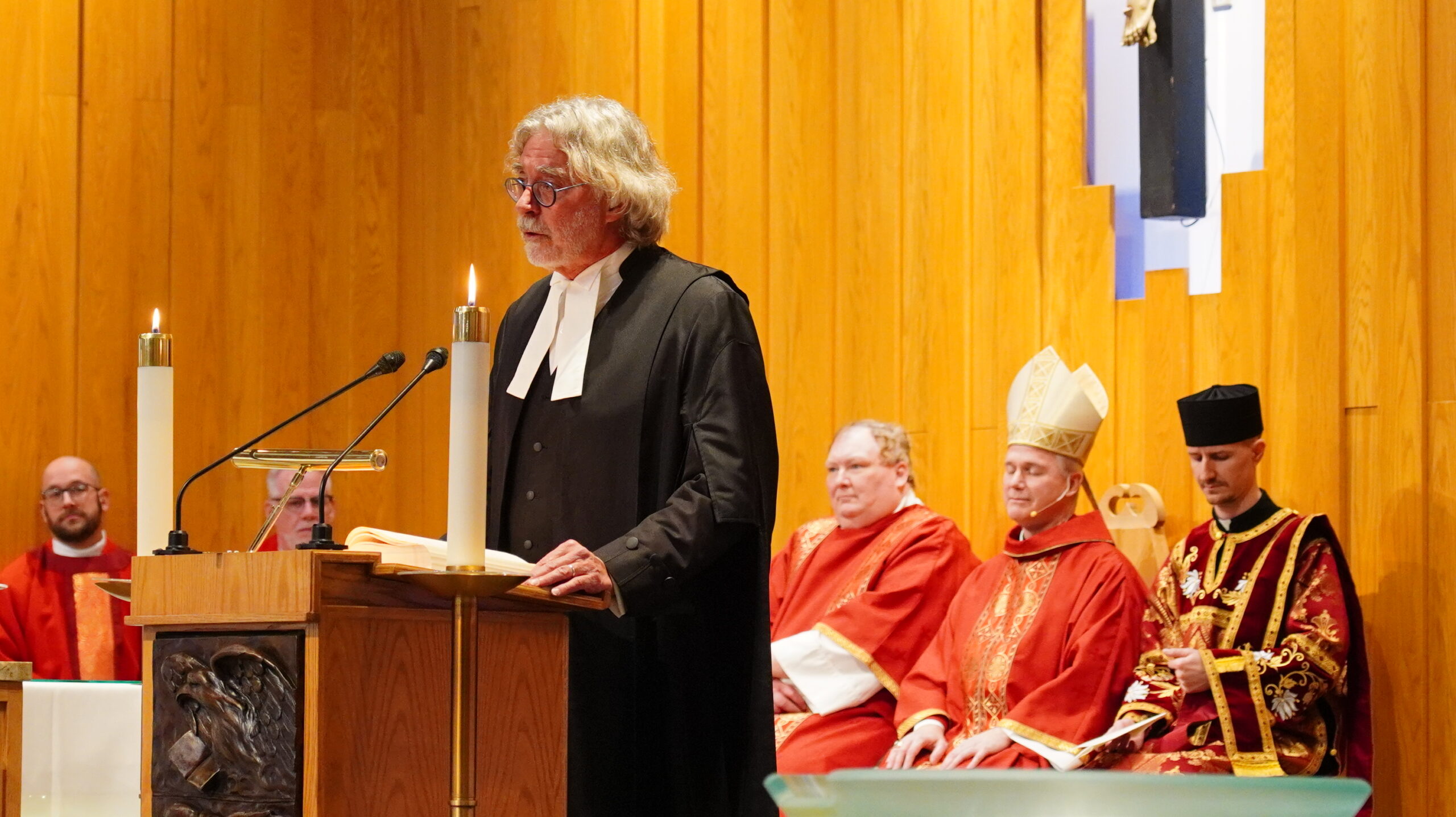
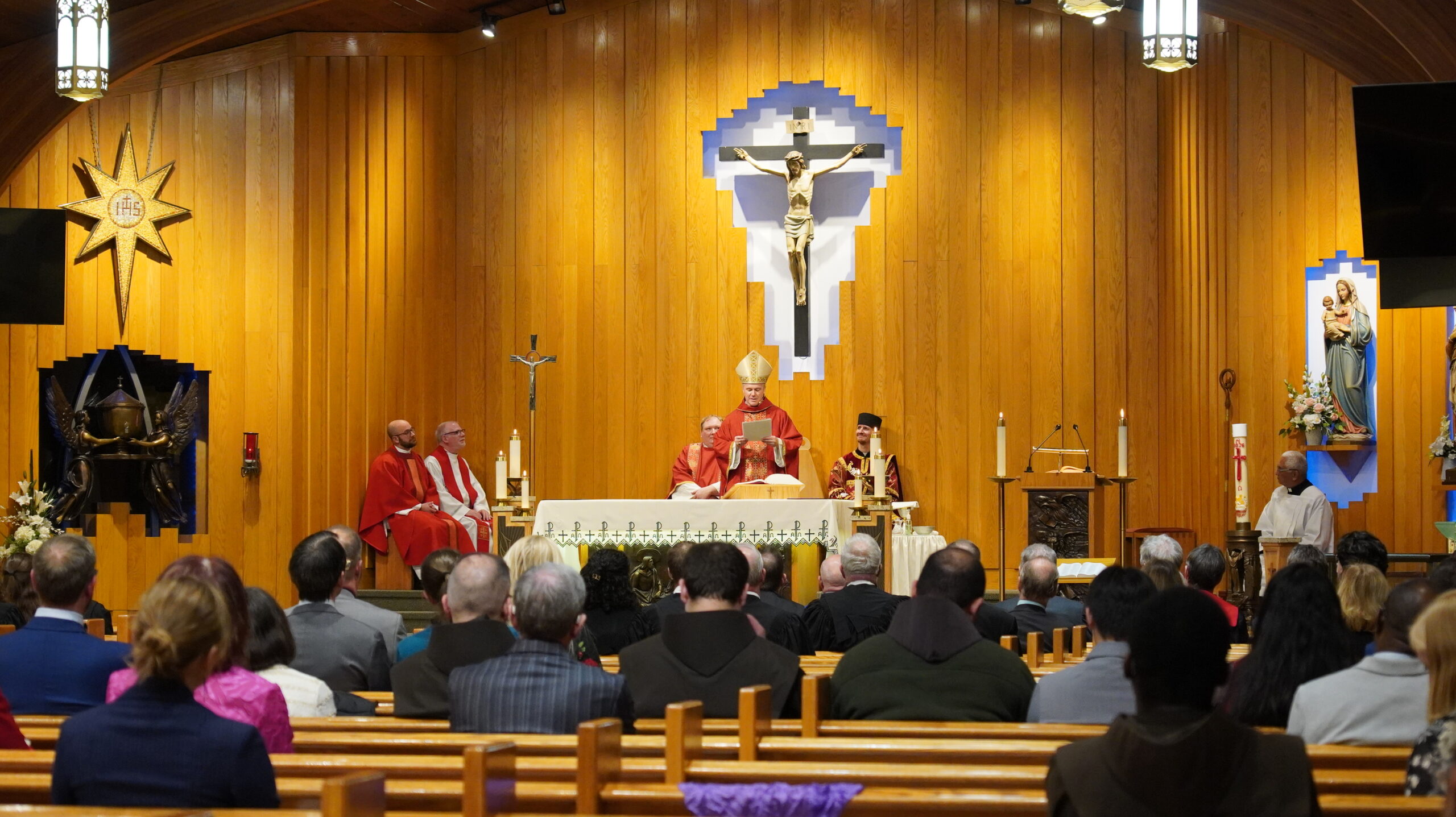
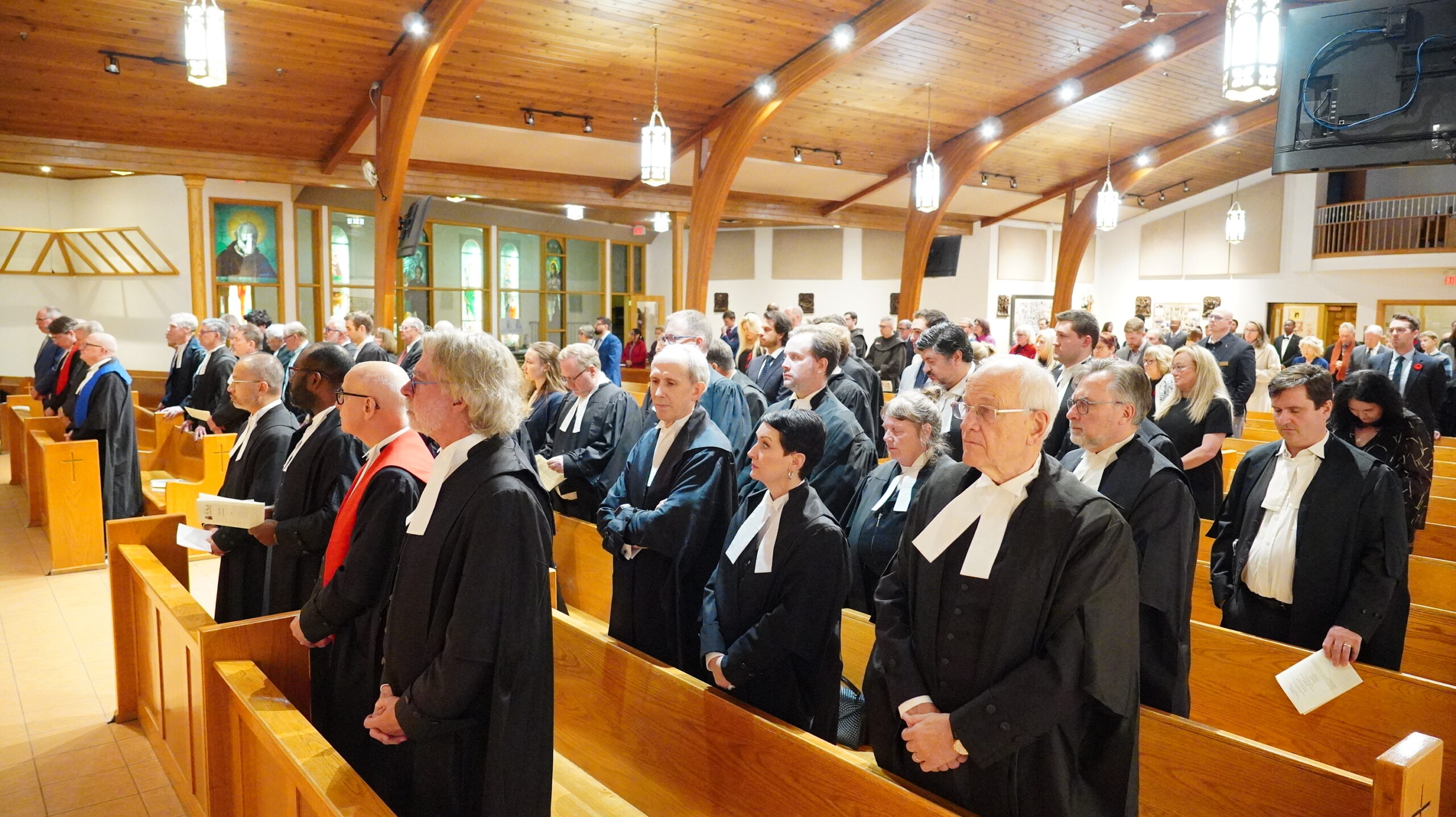
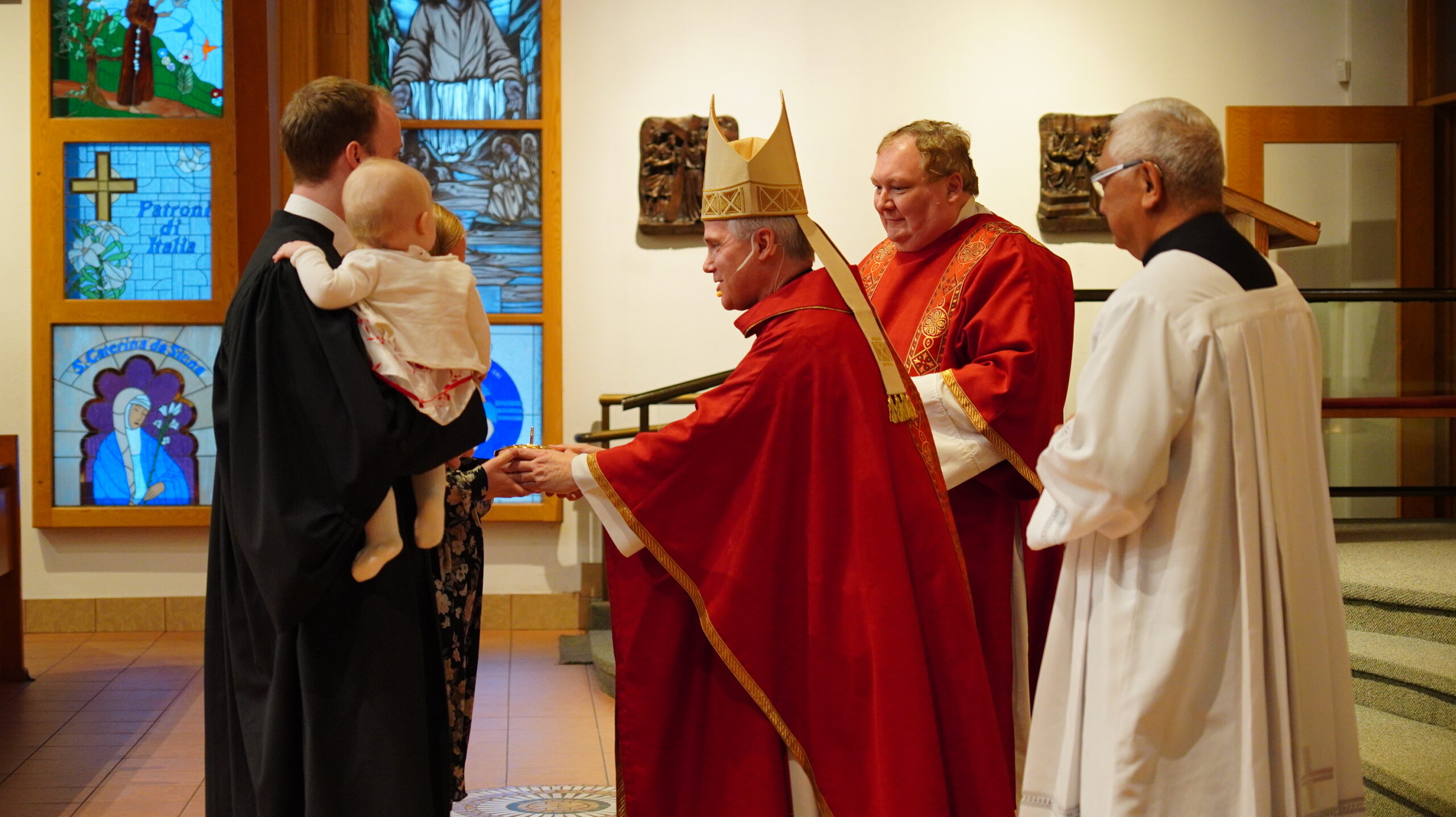
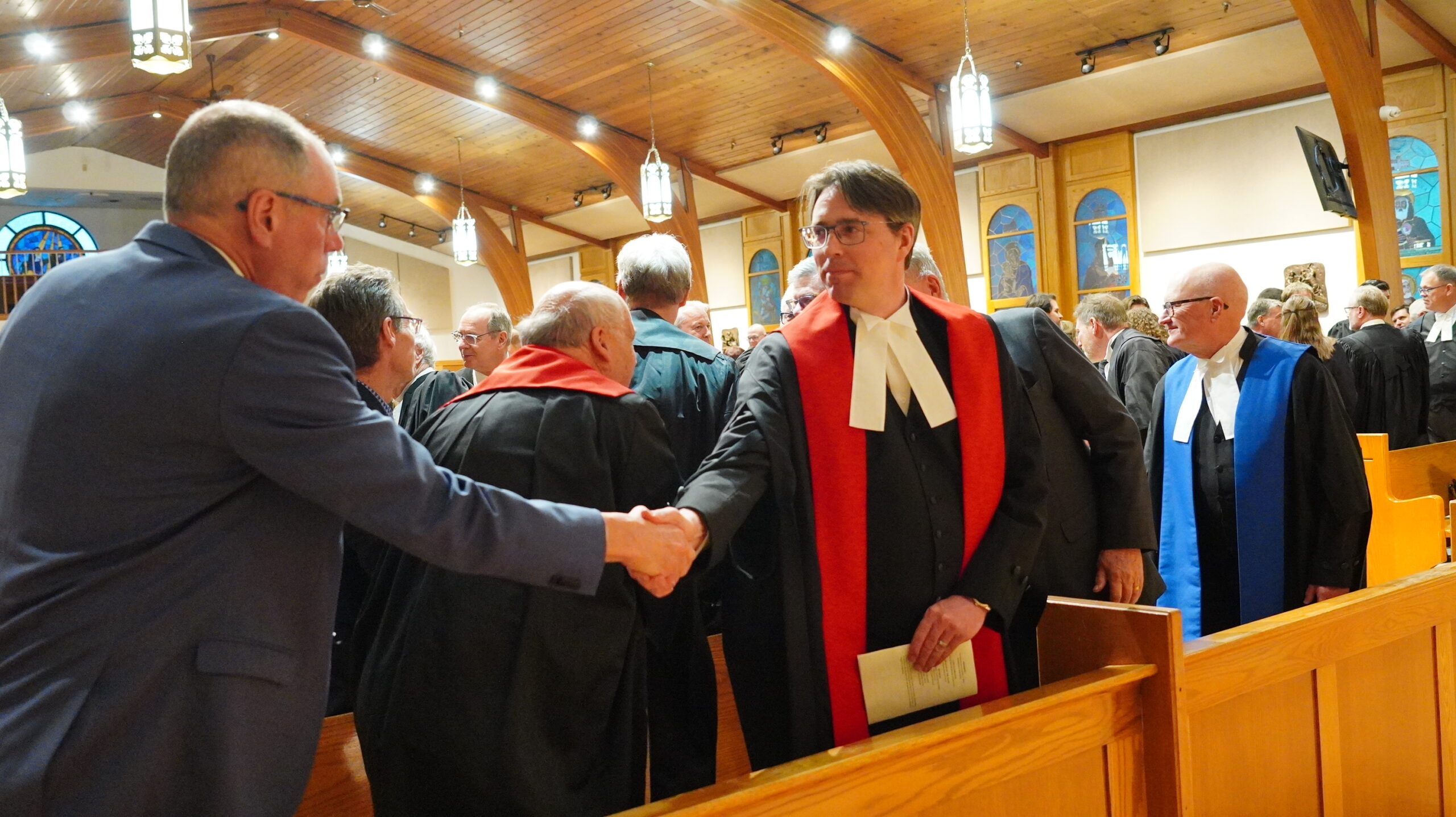
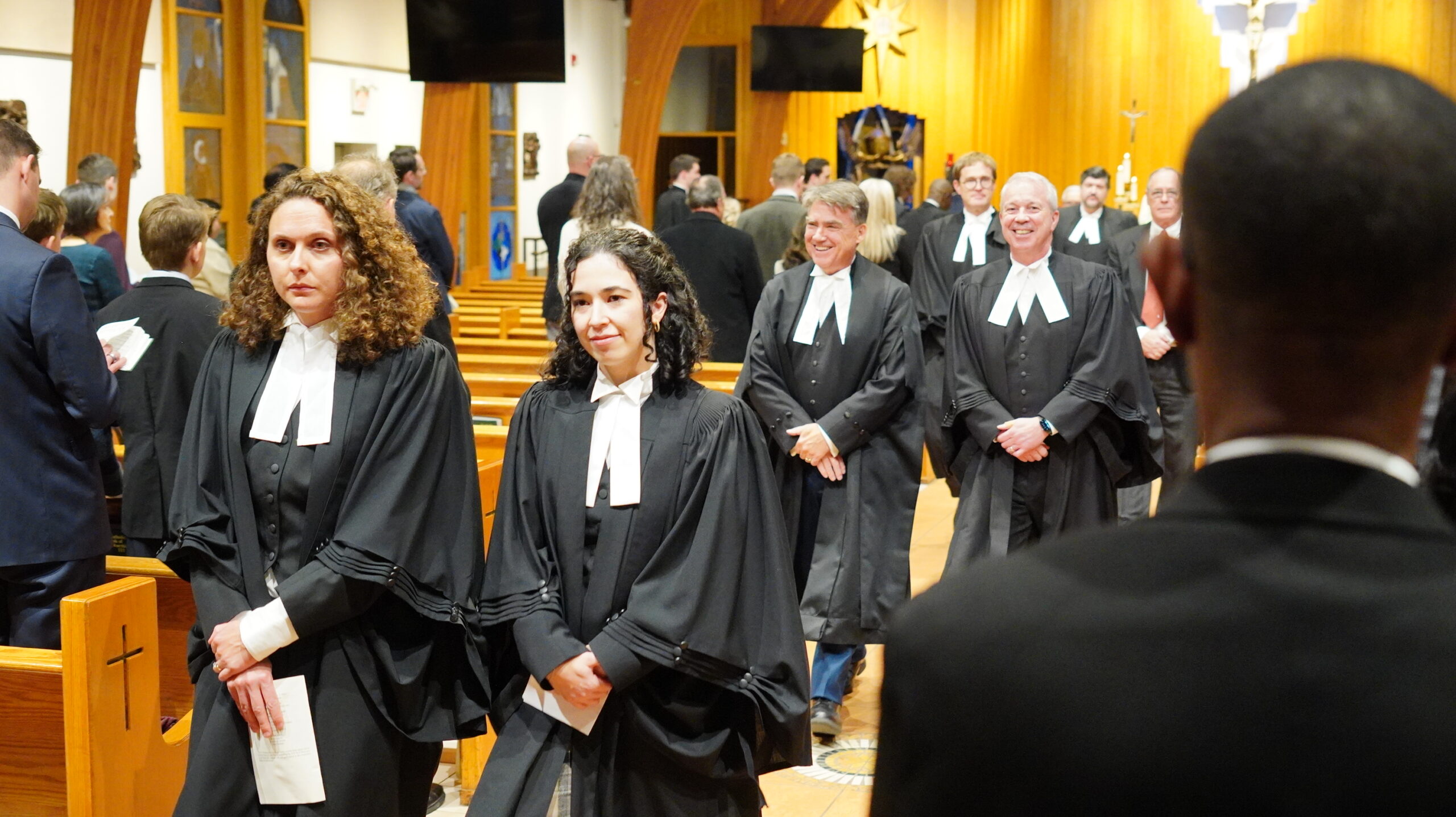
In this Red Mass, the Mass of the Holy Spirit, offered for the members of the St. Thomas More Lawyers’ Guild, it is good to begin with a story of the Guild’s patron Saint which reflects the fortitude of the martyr and his willingness to “put on the whole armour of God” against “the wiles of the devil” and our real enemies: “the spiritual forces of evil in the heavenly places.”
More’s humorous response to the threat of the king’s anger reminds me of the Lord Jesus’ response to the menace of Herod. God’s Son, slowing but surely making his way to Jerusalem where he will lay down his life for the world’s life, tells the Pharisees to give “that fox” Herod the message that Jesus will continue his saving work “today and tomorrow, and on the third day finish [his] work.”
His journey to Jerusalem is an ascent (one “goes up to Jerusalem” in the Bible): Jesus’ journey is the progress of real Life, God’s Word made flesh, ascending the Cross and, after a brief sojourn among the dead, a rising in glory all the way to heaven.
Herod cannot stop this Pilgrim’s progress. He could only hasten Jesus’ ultimate gift of Life.
Thomas More could smile at the grimace of imminent death because of the Lord Jesus’ own finishing of the work of our salvation. Thomas can say “I shall die today, and you tomorrow” so bravely because “on the third day” Jesus finished his work that makes our dying and rising possible.
The Scriptures this evening speak of putting on the armour of God and doing battle, not “against enemies of blood and flesh,” but “against the spiritual forces of evil in the heavenly places.” Jesus even describes his own preaching of God’s kingdom and its accompanying wonders as “casting out demons and performing cures.”
The day-to-day work of lawyers can be going into court to try to win cases, a battle for justice, but the Scriptures today speak of the greater battle for the inner person, our conscience, our soul, our seeking of the truth, our faith and obedience to the King of the universe, the Lawgiver and Word. The true armour that prepares us for real life is, according to St. Paul, truth itself, righteousness, faith, and the word of God.
Prosecuting this war, this psychomachia, this battle for one’s own soul, forms the heart and mind of the Catholic lawyer so that one can come with clarity, honesty, and pure motives to the practice of secular law and its proper battles. As Christian disciples, we know that we share in Christ’s victory over sin and death through our baptism which pledges us to live and grow in that redeemed life already in this world. Paul speaks of baptism as a clothing in Christ, putting on Christ, like we put on white baptismal robes. Today, he describes that same clothing as a spiritual kit of armour. A lawyer’s robes are black. Can we perhaps see them as a sign of the death that is to be undergone for the sake of true life?
Our life in Christ in his Body the Church equips us for the challenges of family, meaningful work, witness, our contribution to society, and to the just governance of our province and country. It is a great blessing to have the Saint Thomas More Lawyers’ Guild as part of the rich fabric of the Church in Edmonton and Northern Alberta which helps Catholic lawyers support one another in this dying to self, rising to new life, and with the virtuous practice of their legal profession. We know that Saint Thomas More was a man of great friendships. The scholar Erasmus wrote that More was “designed for friendship” and asked rhetorically: “Did nature ever invent anything kinder, sweeter or more harmonious than the character of Thomas More?” I am sure that one of the purposes of this Guild and, its spiritual and formative activities, is to foster friendship, mutual respect, and collegiality. We should also say to foster the Church and to help all live well the intersection of faith, reason, and life with “skill, intelligence, and knowledge” (Ex 35: 31) for the true good and salvation of the world.
In a few days we will be celebrating All Saints and All Souls Day. More’s humorous deflation of the Duke of Norfolk’s fear for his life is a solid sign of the sanctity of this father, husband, lawyer and public servant. More could see the “great matter” of King Henry with shining clarity because of More’s detachment from self and his attachment to Jesus Christ. We rejoice with Saint Thomas More and all the Saints and pray for all Souls. This is the great and urgent matter of the King of the universe: to make our pilgrim’s progress through the world to real Life and help one another to find the way and remain on the way.
A brave soldier may laugh in the face of death. We may laugh with Thomas More because of the joy and life that has conquered our death and that wants nothing more than to reassemble family and friends forever in God’s house.
✠ Most Rev. Stephen A. Hero
Archbishop of Edmonton
Santa Maria Goretti Parish, Edmonton
October 29, 2026
Photo: Lincoln Ho
Sign up for The WINDOW, the weekly electronic bulletin with news from the Archdiocese of Edmonton