Through prayer, veneration, and encounters with the faithful, the relic pilgrimage reminded thousands that holiness is lived through faith, forgiveness, and an enduring hope in Christ.
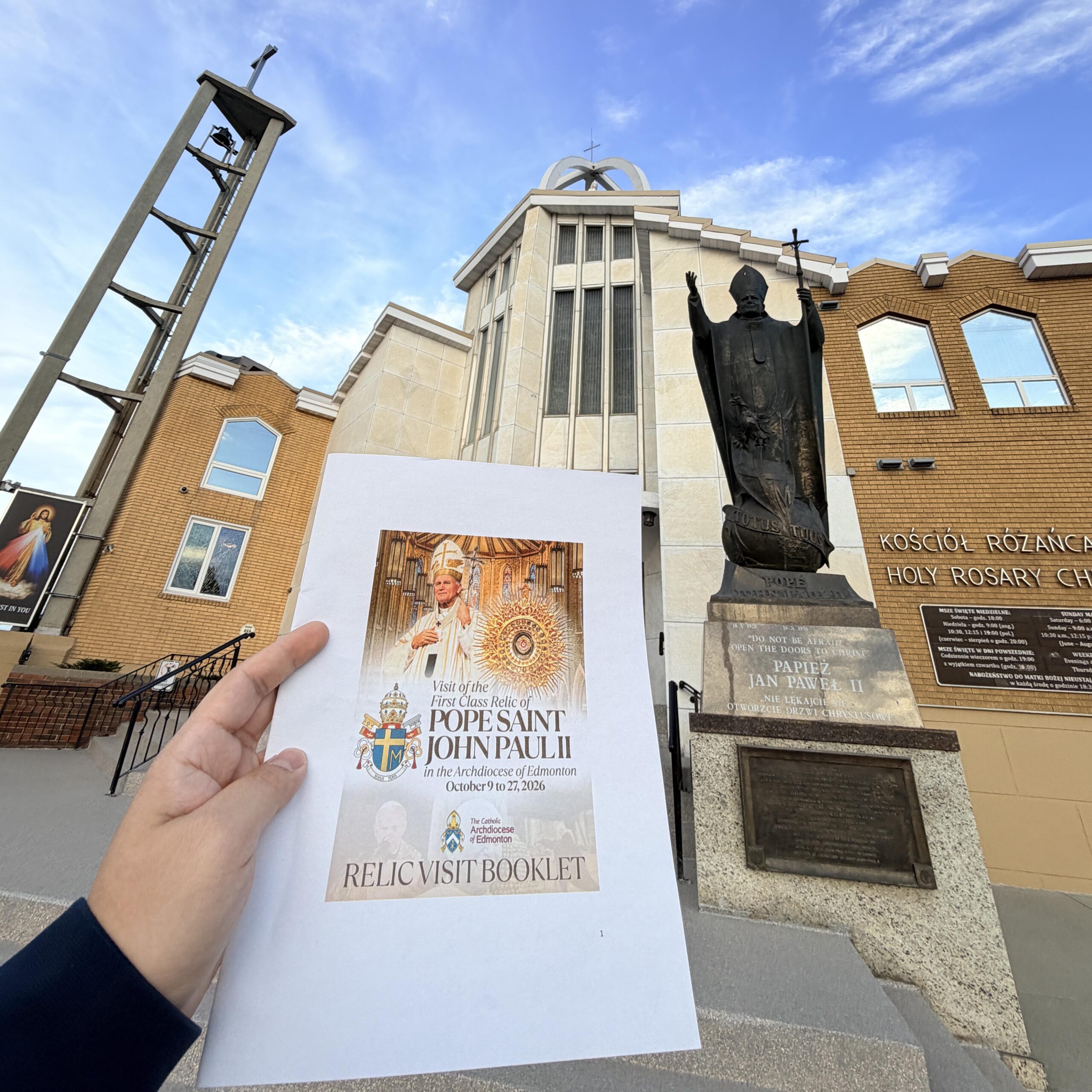
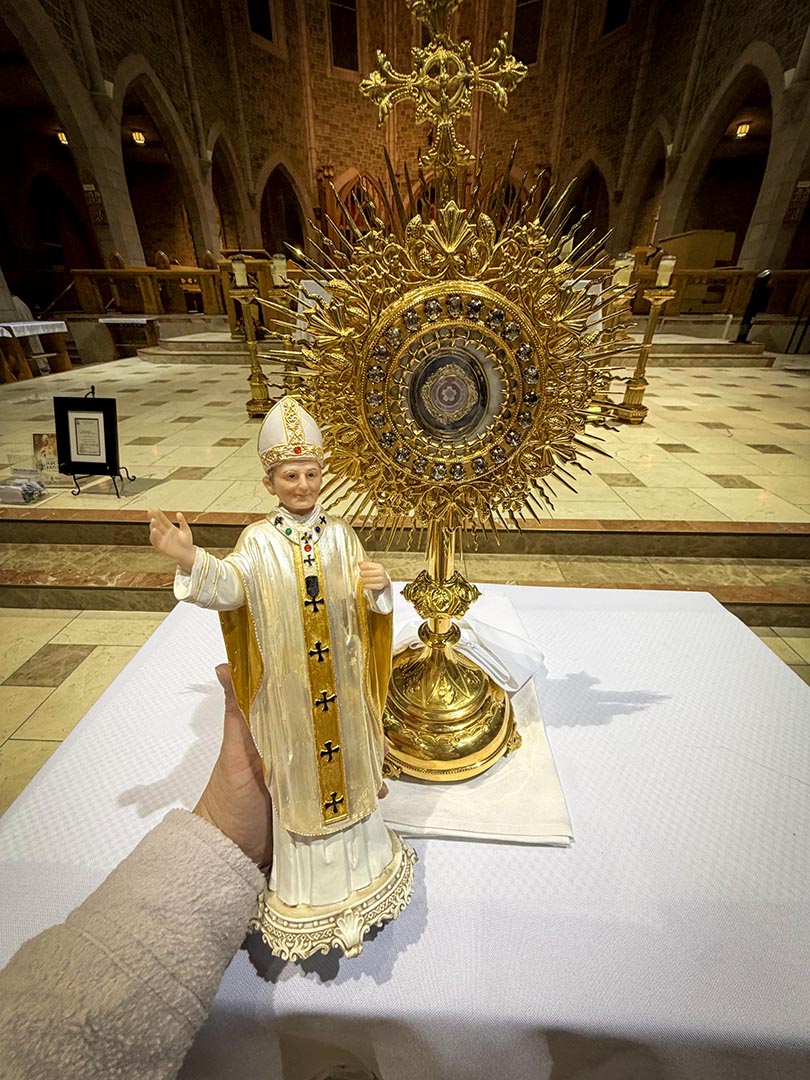
From October 9 to October 27, the Archdiocese of Edmonton was blessed to welcome the first-class relic Ex Sanguine of St. John Paul II, a fragment of the blood-stained cassock the saint wore during the assassination attempt in St. Peter’s Square on May 13, 1981.
Following visits to the Diocese of St. Paul and the Archdiocese of Grouard-McLennan in 2025, the relic continued its pilgrimage through the Archdiocese of Edmonton, visiting parishes and communities across the region. As the delegated custodian of the relic, I had the privilege of accompanying it to these communities and witnessing firsthand the faith, devotion, and hope it inspired among the faithful.
What unfolded was more than a series of parish visits. It was a pilgrimage marked by prayer, hospitality, and encounters with people seeking to draw closer to God through the intercession of a beloved saint.
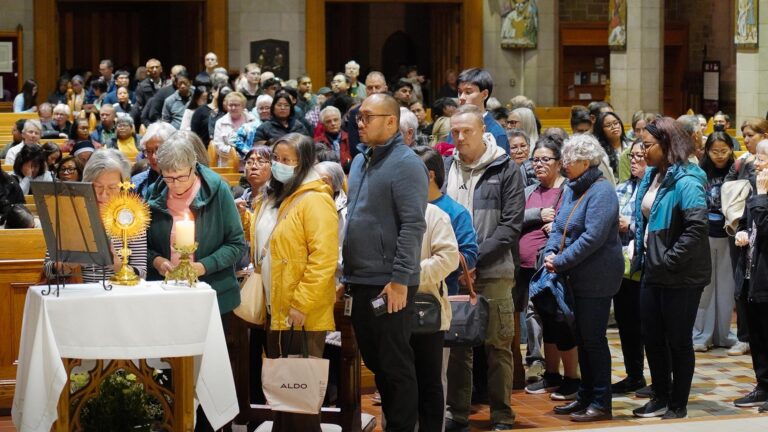
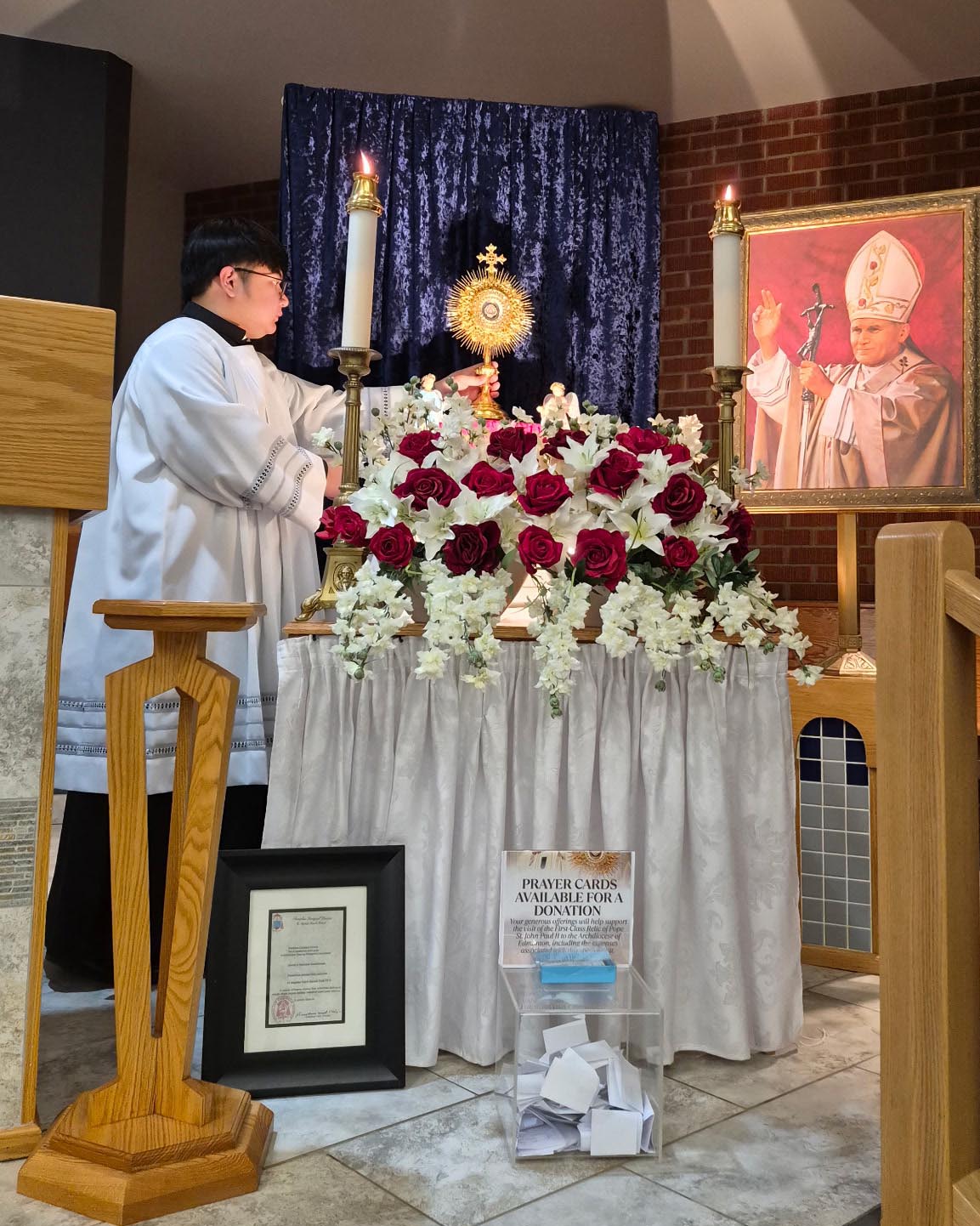
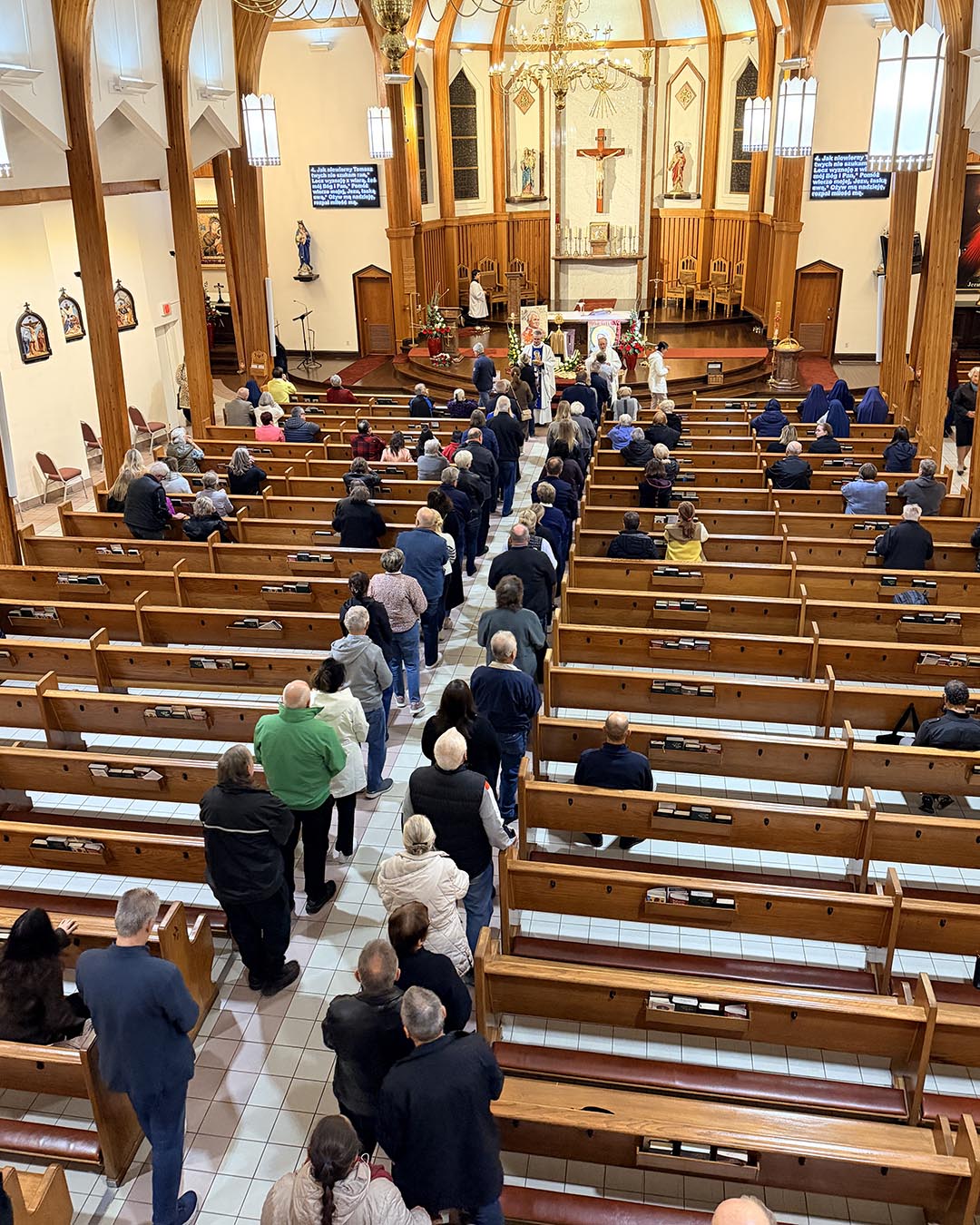
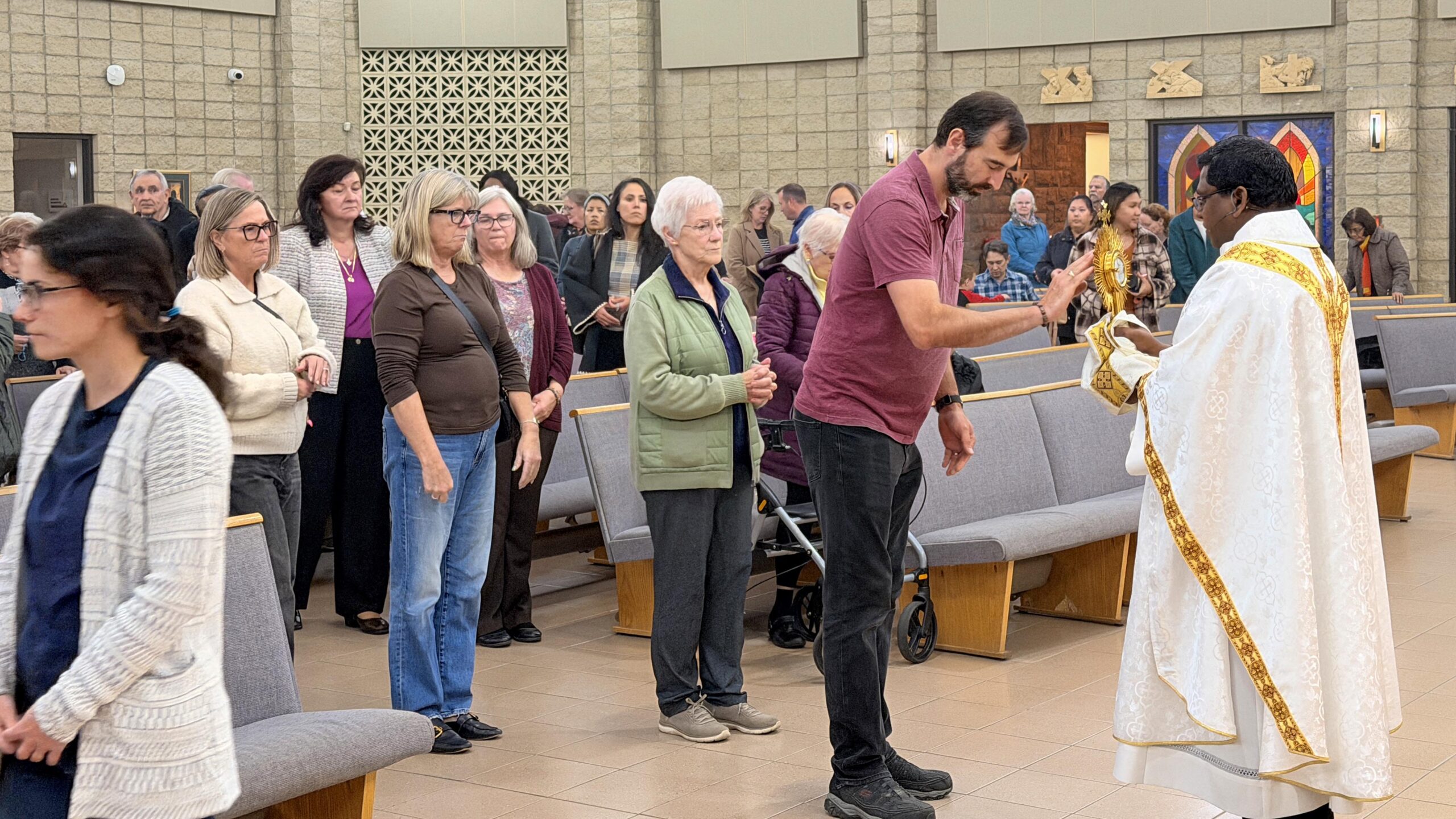
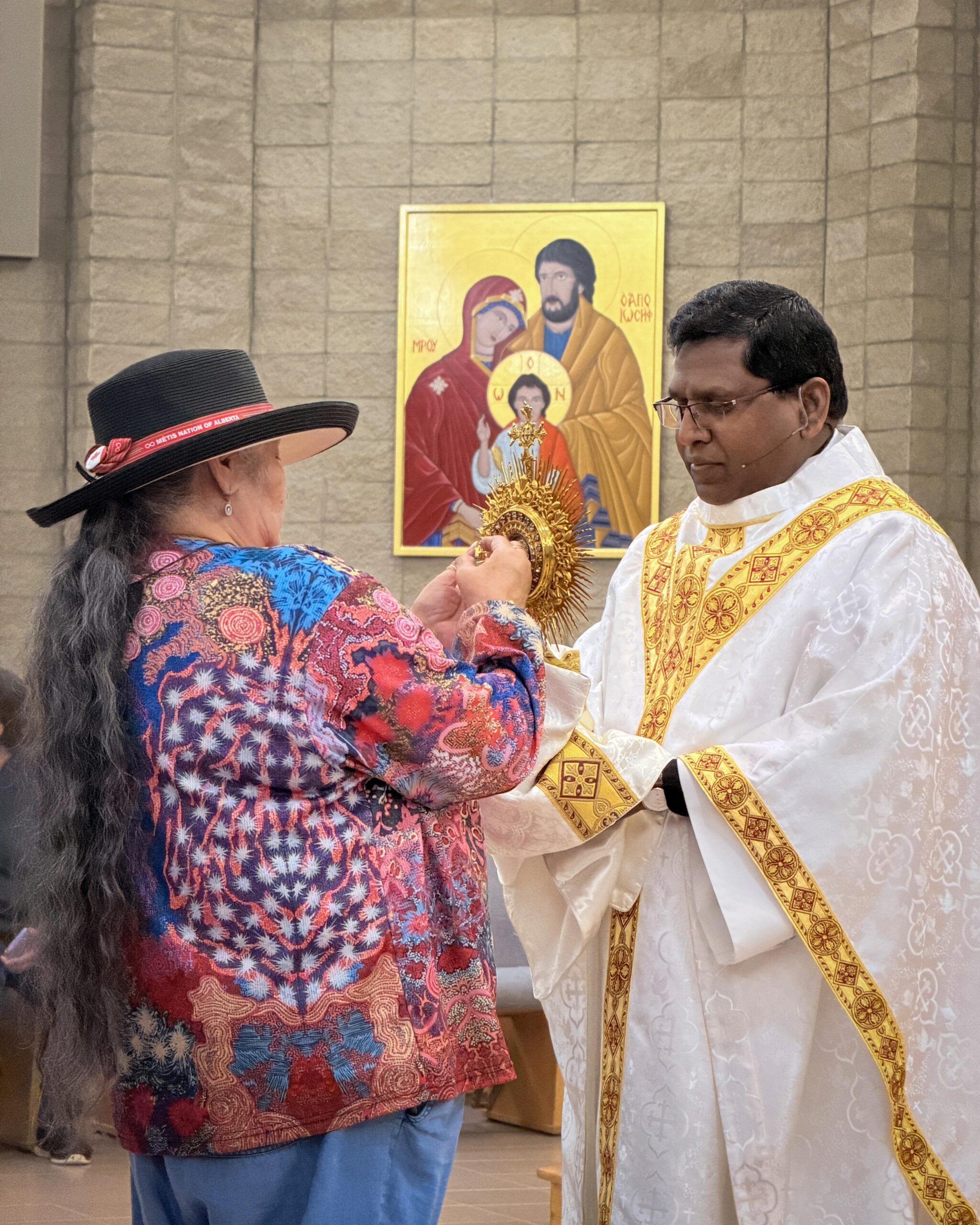
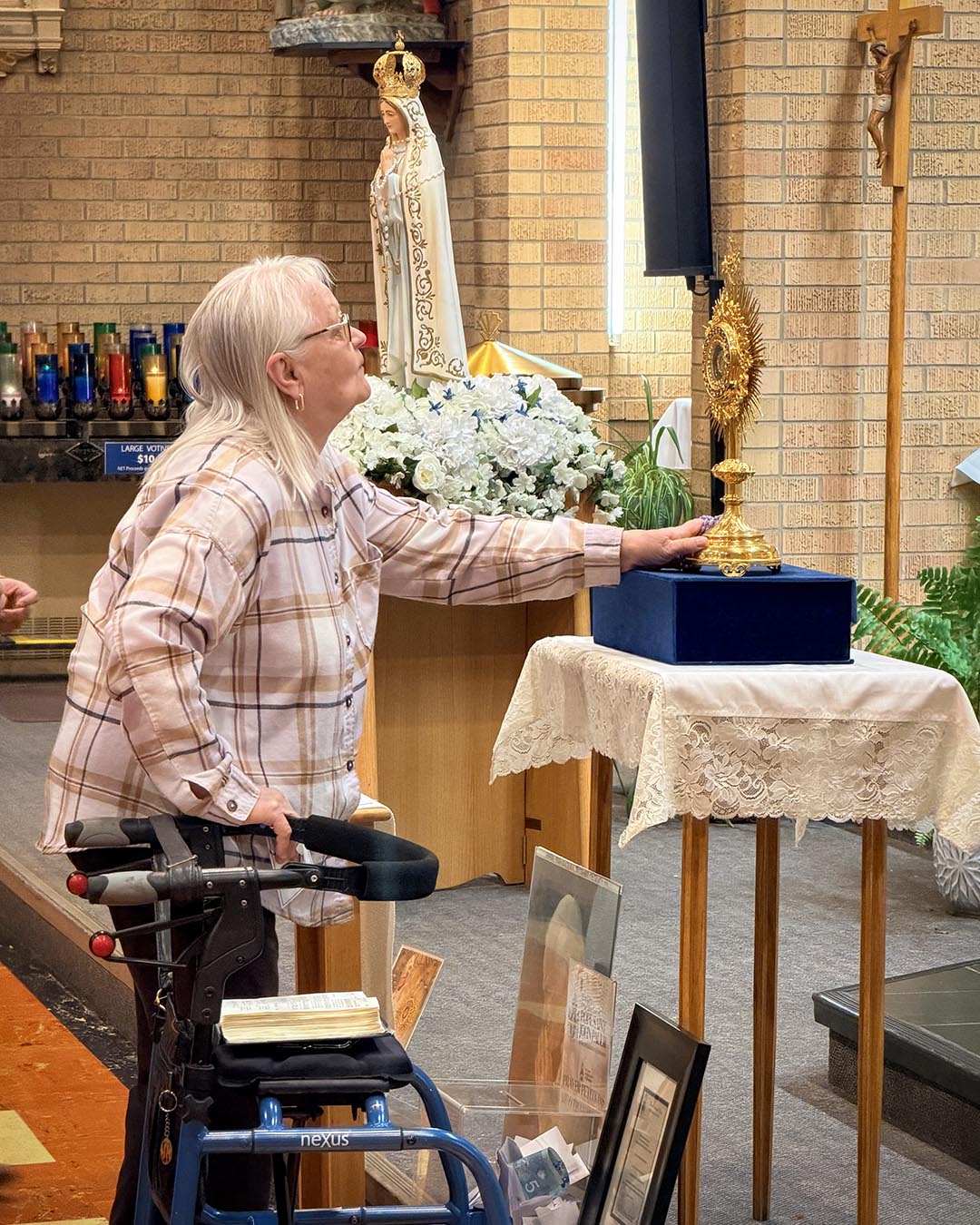
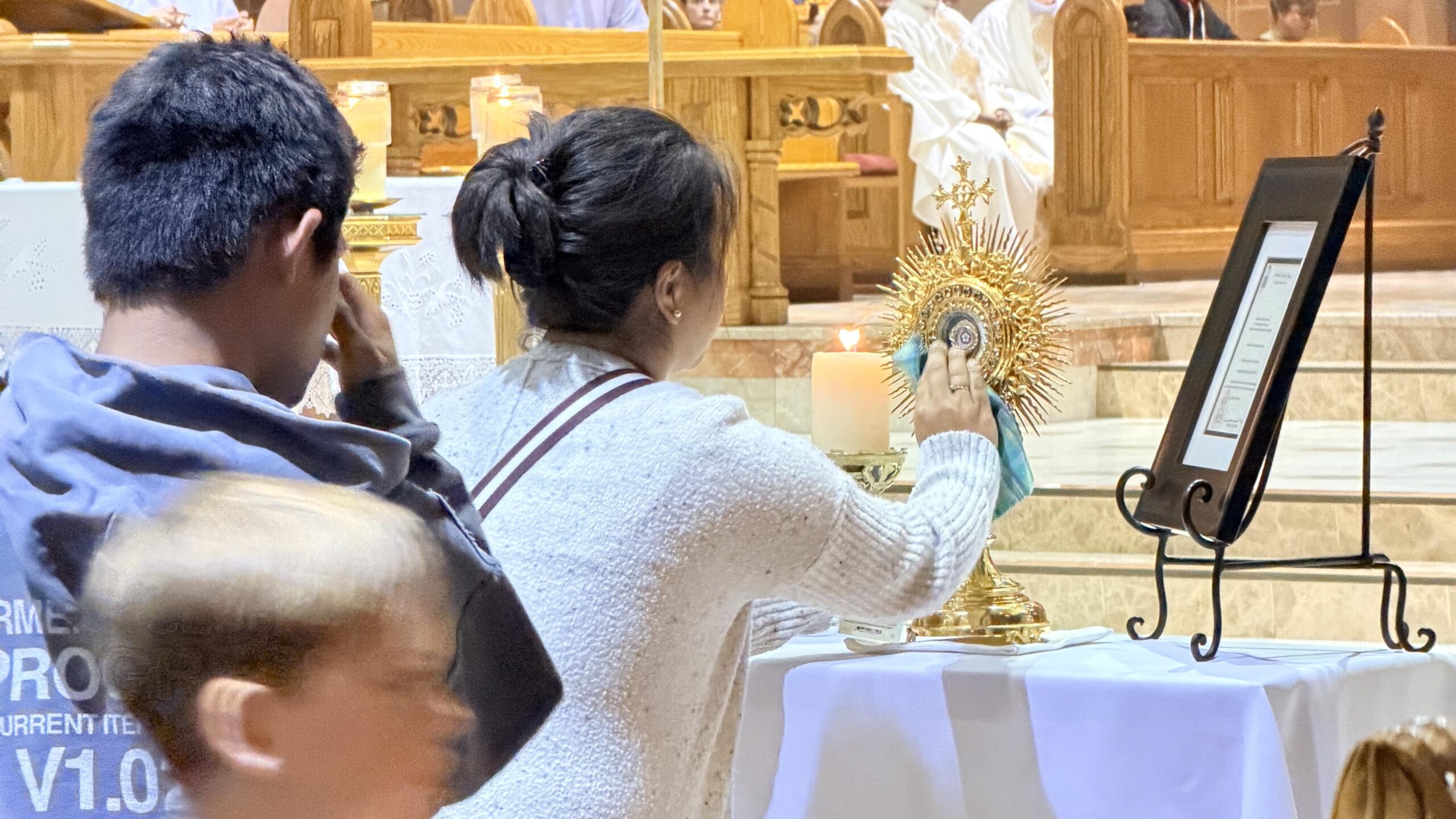
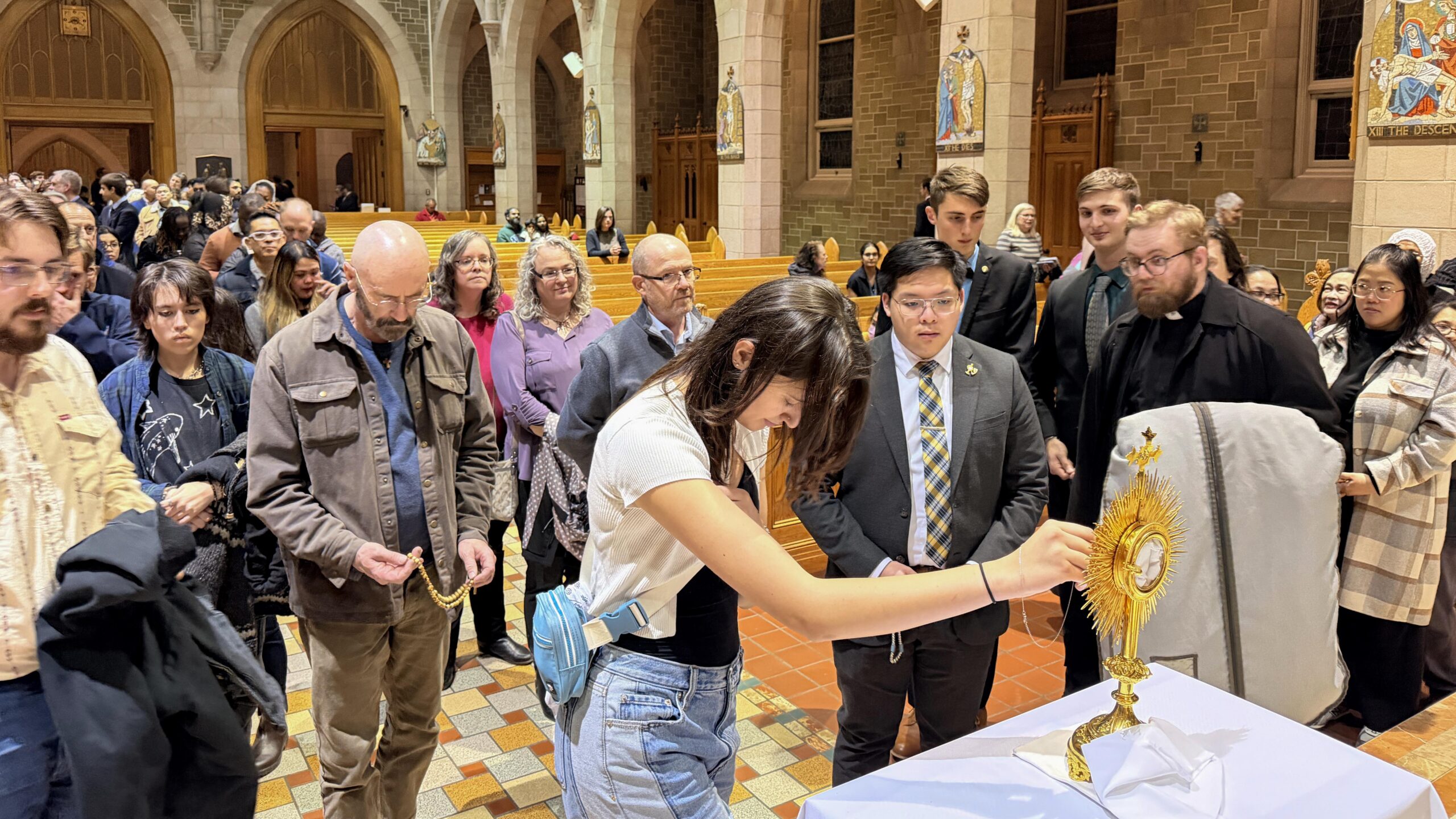
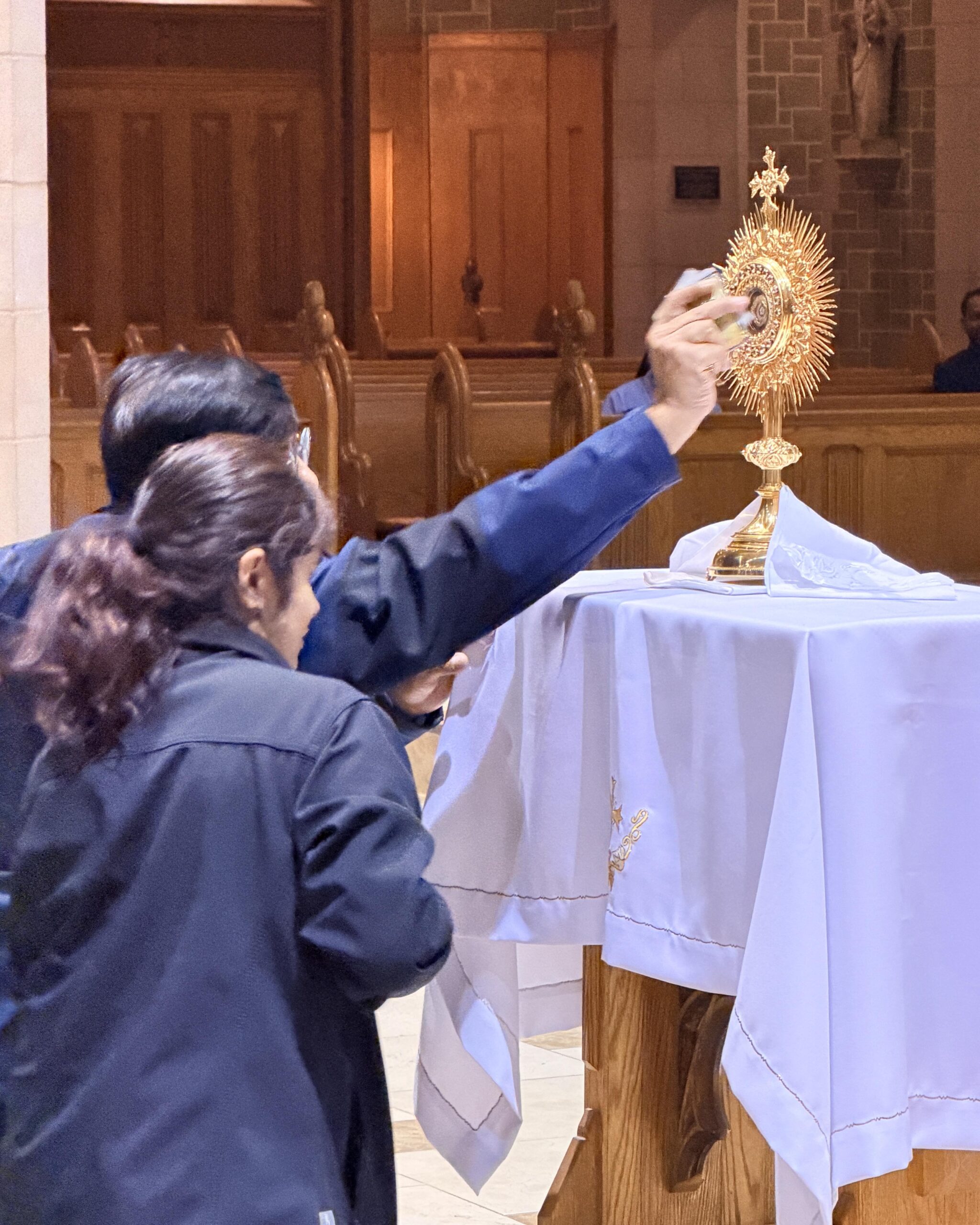
Throughout the pilgrimage, one experience remained particularly striking: the way people approached the relic. Some came quietly, others with rosaries in hand, while many lingered in prayer. As they reached out to venerate the reliquary, there was a palpable sense that they were bringing their intentions, struggles, gratitude, and hopes before God through St. John Paul II.
In a world where so much of life is experienced through screens and fleeting interactions, these moments revealed the faithful’s enduring desire for something tangible, something that helps them encounter the sacred and makes the communion of saints feel close.
Catholics do not worship relics. Rather, we venerate them because of their connection to the saints, whose lives bear witness to the transforming grace of God. Like a photograph that reminds us of someone we love, a relic points beyond itself to the holy person whose life continues to inspire the Church.
The relic of St. John Paul II carries a particularly powerful witness. The cassock it came from bears a connection to the day violence attempted to silence the Pope. Yet the saint’s response to that violence became one of the most remarkable testimonies of Christian forgiveness in modern times.
St. John Paul II later visited his would-be assassin, Mehmet Ali Ağca, in prison and personally offered him forgiveness. His example reminds us that forgiveness does not deny the reality of evil or the pain it causes. Rather, it refuses to allow hatred to have the final word.
During the pilgrimage, the faithful were invited not only to ask for the saint’s intercession but also to seek the grace to imitate his courage, faith, and capacity to forgive. His enduring message to the world remains especially relevant today: do not be afraid. Do not lose hope.
The pilgrimage brought the relic to several parishes, each offering its own expression of devotion and hospitality.
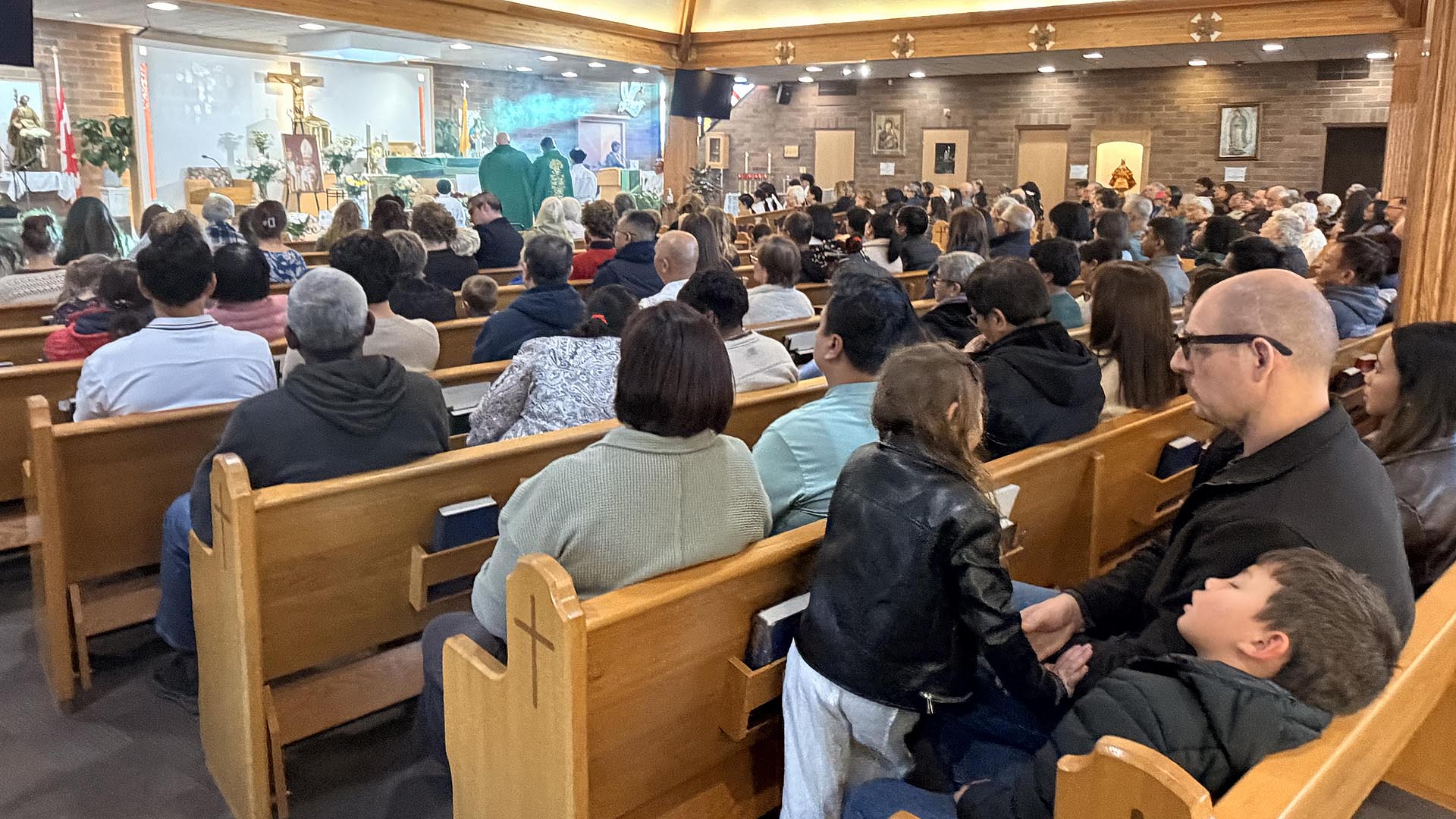
At Our Lady Queen of Poland Parish and Holy Rosary Parish, hundreds of faithful gathered to venerate the relic. The warmth of the Polish communities and the welcome extended by the Oblates of Mary Immaculate (OMI) priests made these visits particularly memorable. At Holy Rosary Parish, the occasion was especially meaningful as it coincided with the anniversary of St. John Paul II’s election to the papacy on October 16, 1978.
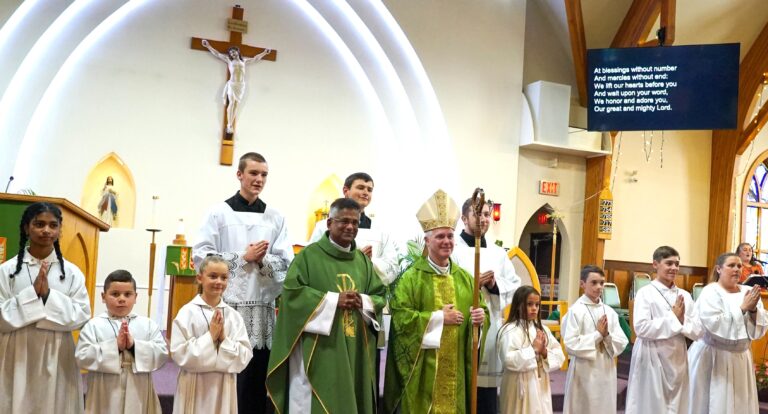
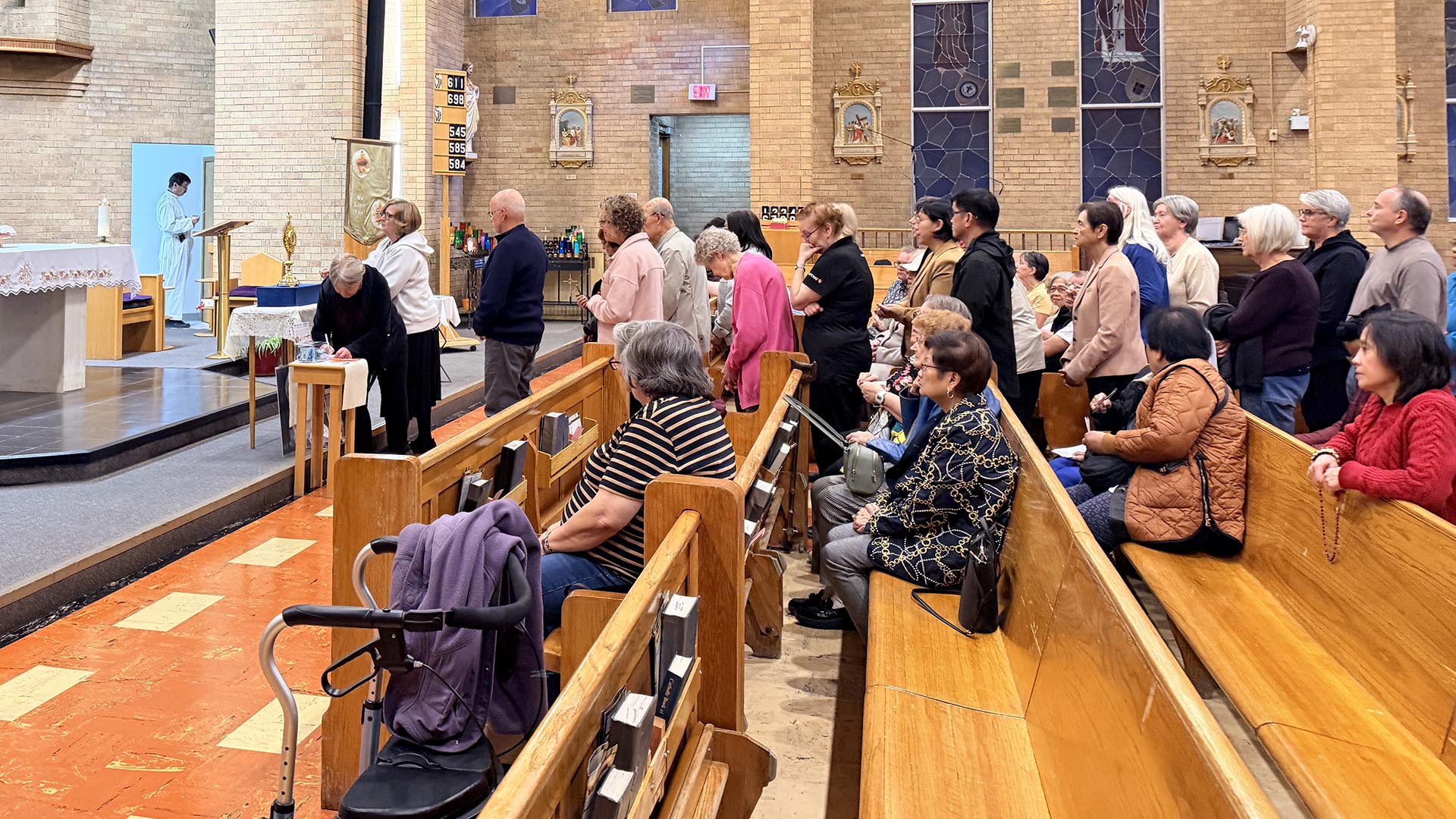
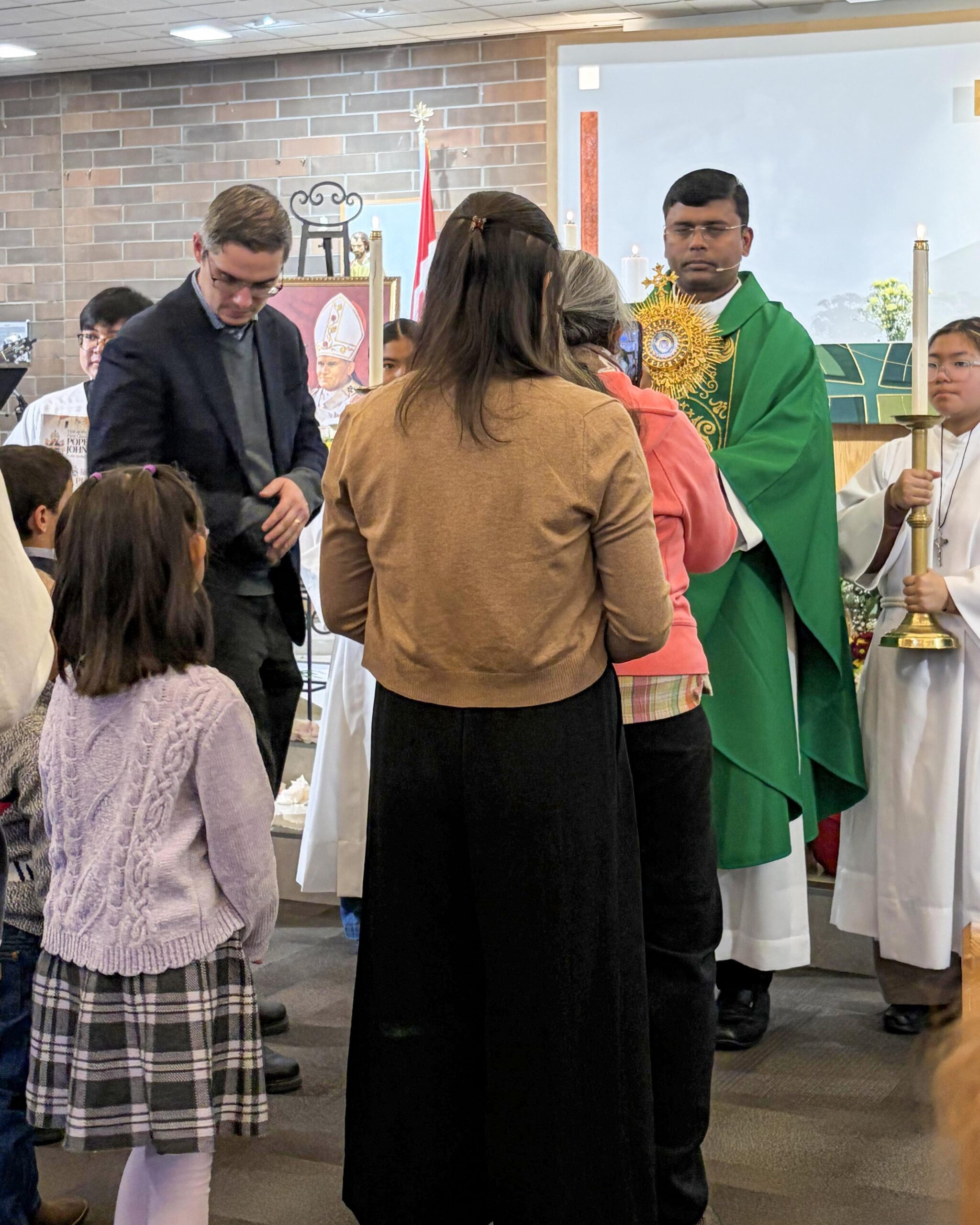
The pilgrimage also travelled to St. Anthony Parish in Drayton Valley and St. Michael’s Parish in Leduc, where parishioners and local faithful received the relic with warmth and reverence. At St. Anthony Parish, the celebration included Mass and extended opportunities for personal veneration. The response of the faithful reflected a deep desire to spend time in prayer and to entrust their intentions to the Lord through the saint’s intercession.
A similar spirit of devotion was evident at Holy Family Parish in St. Albert, where Mass, Eucharistic adoration, and personal veneration allowed the faithful to remain in prayer before the relic for an extended period.
Other stops included St. Dominic Savio Parish and C-YEG (Catholic Young Adults) Mass at Resurrection Parish in Edmonton, and St. Andrew Parish, where members of the Cenacle Group and the Marian Movement of Priests Canada gathered in prayer.
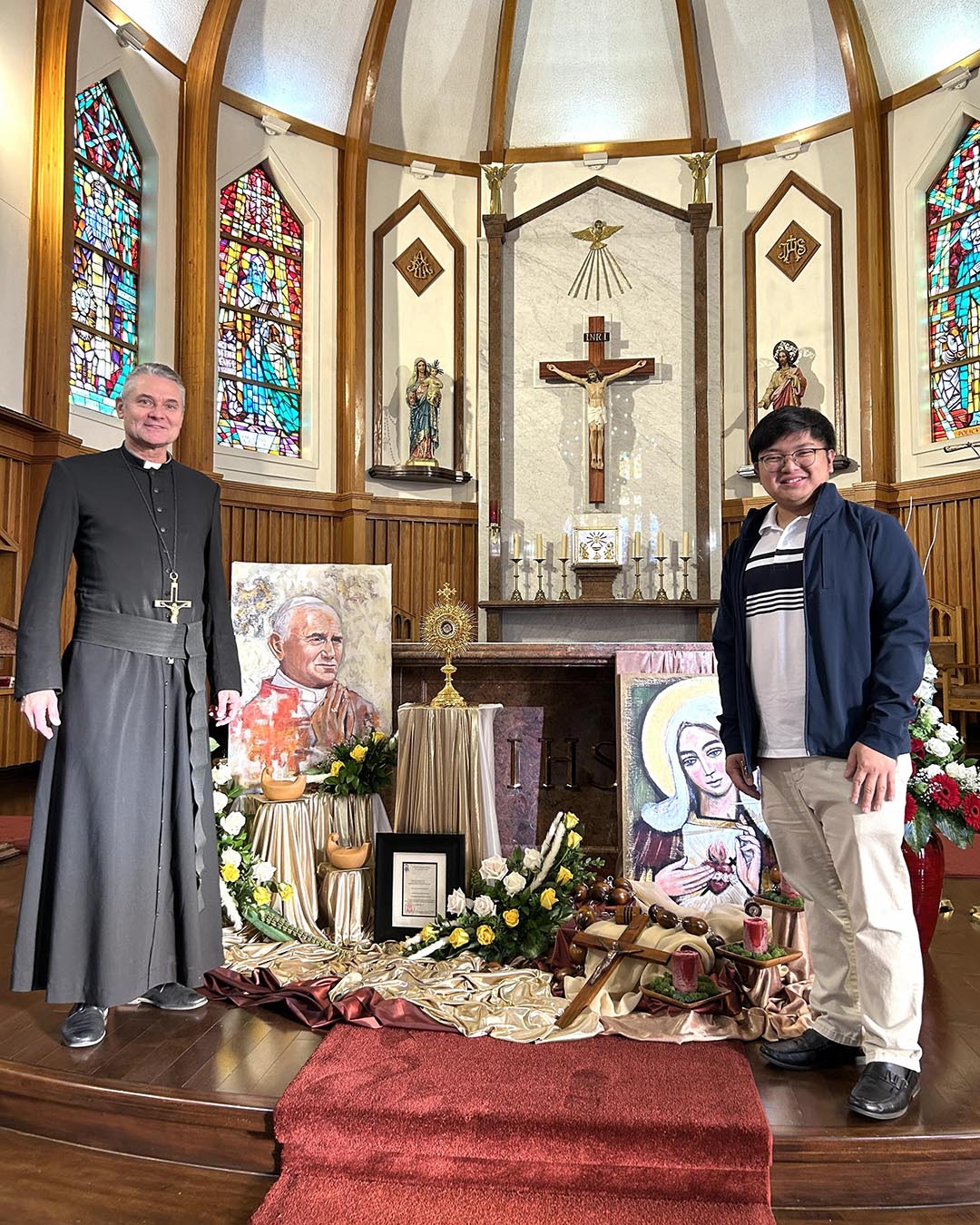
At many of these churches, parishioners thoughtfully prepared beautiful and prayerful spaces in which the relic could be enthroned. These arrangements were more than decorative efforts; they reflected the care, reverence, and love with which communities received this sacred gift.
Across these visits, the generous welcome of priests, parish staff, volunteers, choirs, altar servers, readers, decorators, and countless faithful made the pilgrimage possible. Their service helped create an atmosphere in which people could pause, pray, and encounter the spiritual legacy of St. John Paul II.
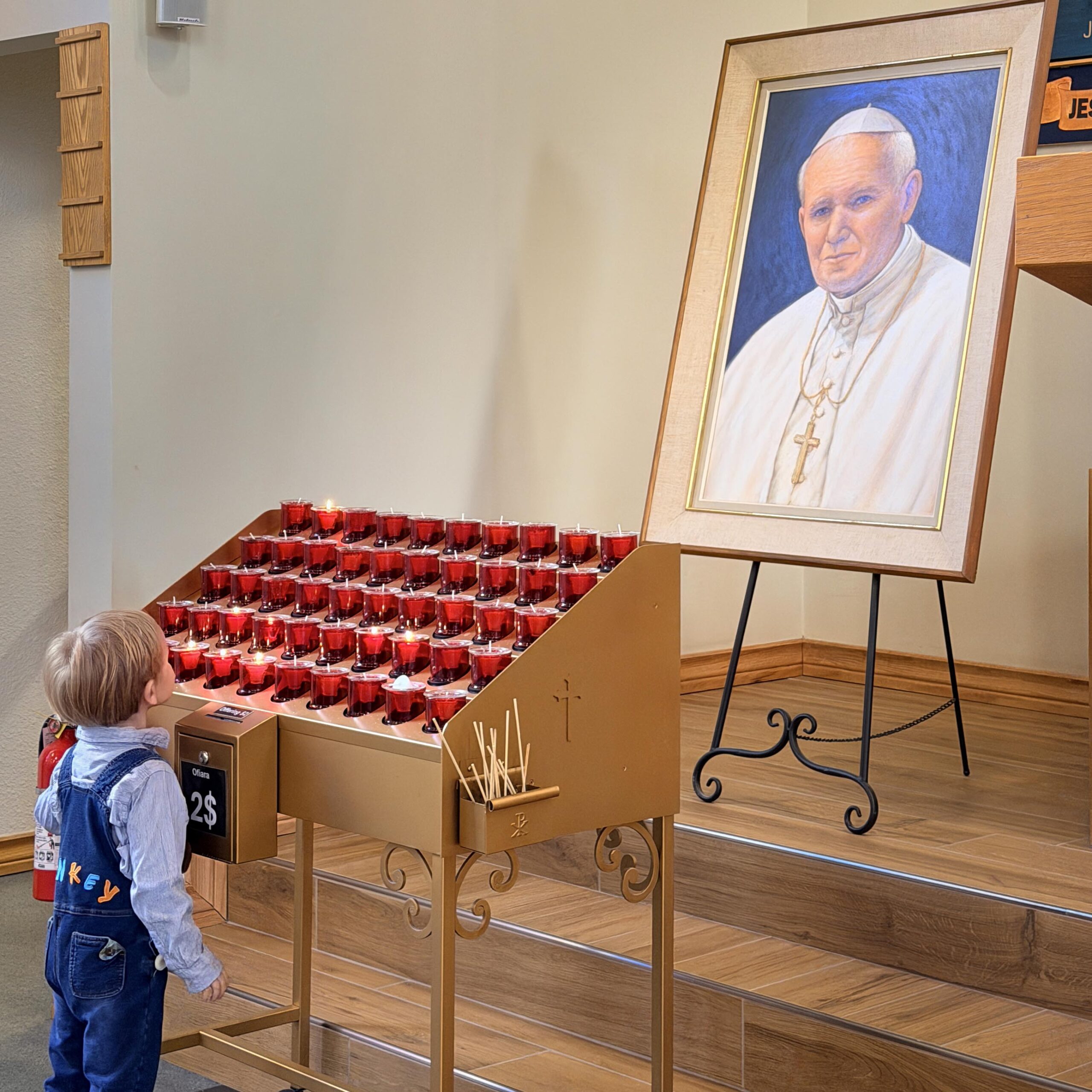
One of the most moving aspects of the pilgrimage was seeing how people responded to the opportunity for personal veneration. Some stayed long after Mass had ended, returning to the relic in quiet prayer. Others came forward with visible emotion, holding their rosaries close or placing their hands near the reliquary. These gestures were simple, but they spoke volumes. I leave every parish visit with a box full of prayer petitions.
Behind each person was a story known fully only to God: a family concern, a personal struggle, a prayer for healing, a desire for reconciliation, or gratitude for blessings received. The relic became a focal point for these intentions, reminding the faithful that they are not alone in their struggles and that the saints accompany the Church through their intercession.
Yet the true fruit of this pilgrimage cannot be measured by attendance alone. Its lasting significance lies in whether those who encountered the relic leave with renewed faith, a more forgiving heart, and a greater willingness to live the Gospel.
St. John Paul II’s life challenges us to move beyond admiration and into imitation. If he could extend forgiveness to the man who attempted to take his life, what might God be asking us to forgive? If he continued to proclaim hope amid suffering and uncertainty, how might we become instruments of hope in our own families and communities?
These are the questions the pilgrimage leaves with us.
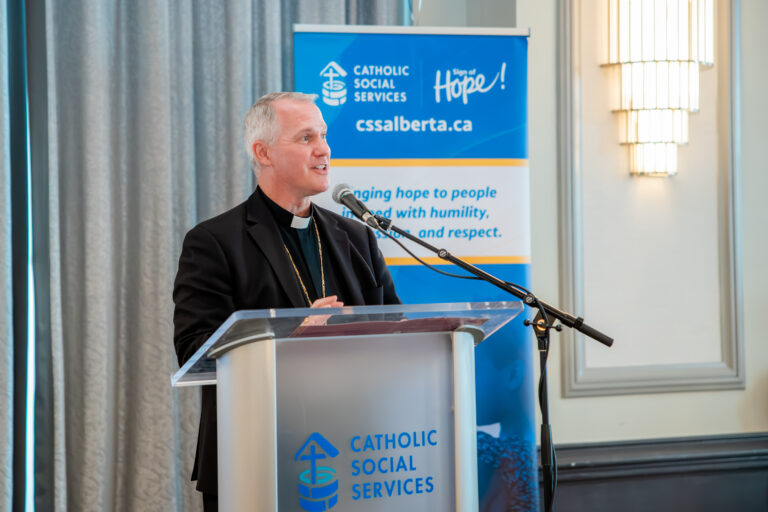
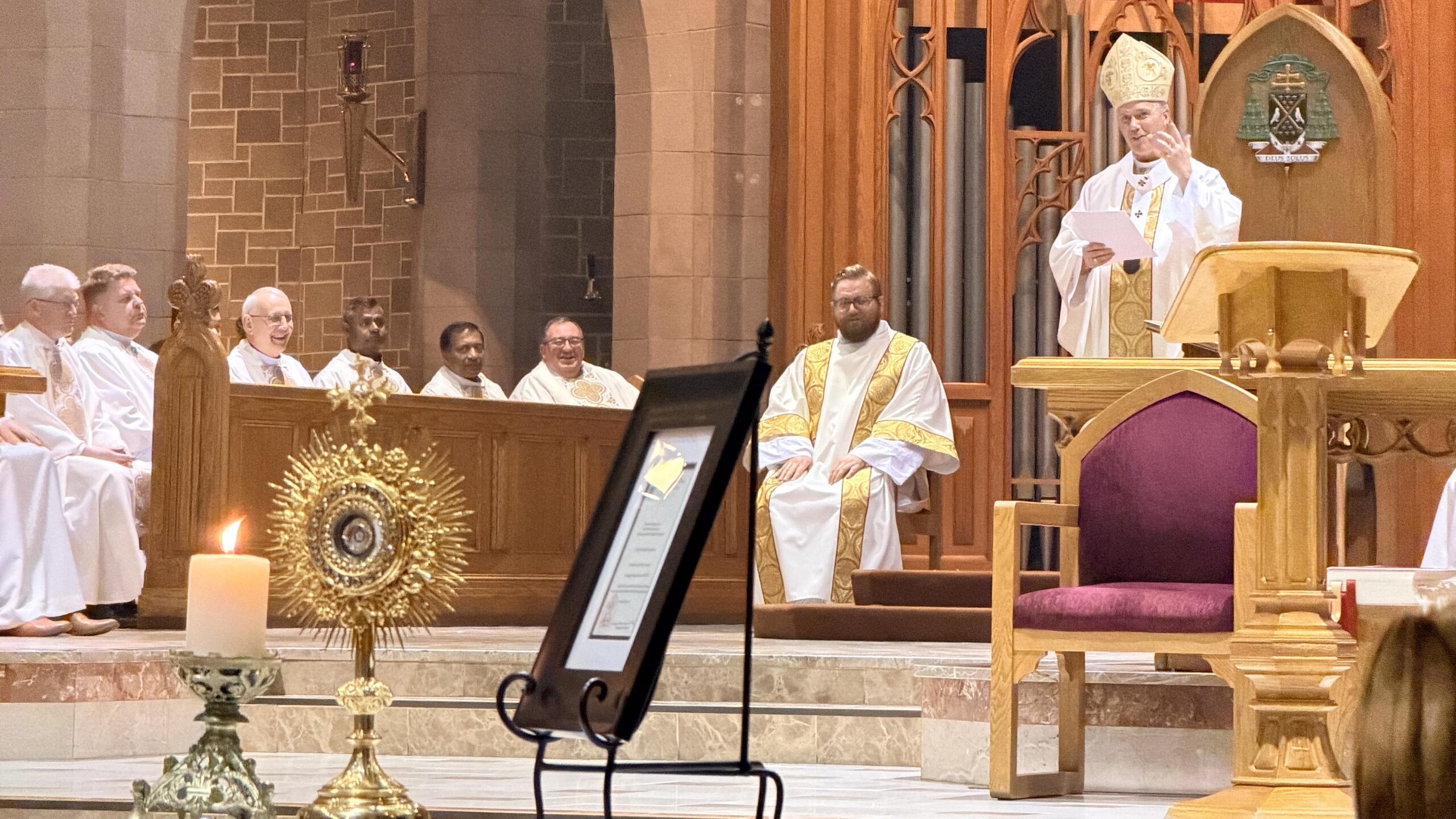
The pilgrimage culminated on October 22, the feast day of St. John Paul II, at St. Joseph’s Basilica in Edmonton. The day’s celebration began with public veneration of the relic in the afternoon, followed by the Feast Day Mass presided over by Archbishop Stephen Hero and concelebrated by priests of the Archdiocese.
The basilica was filled with faithful who came to honour the saint and seek his intercession. Following the Mass, veneration continued, allowing even more people to approach the relic and spend time in prayer.
It was a fitting conclusion to a pilgrimage that had reached communities throughout the Archdiocese. From the Polish parishes to smaller communities outside Edmonton, and finally to the mother church of the Archdiocese, the same desire was evident: to encounter God, to seek the prayers of the saints, and to find hope amid the realities of everyday life.
As the delegated custodian, I am grateful to have witnessed these moments of faith and devotion. I am equally grateful to the parish priests, parish communities, and volunteers who welcomed the relic and helped make its visit a prayerful and memorable experience.
The relic has now continued its journey, but the invitation of St. John Paul II remains with us, May the faithful of the Archdiocese of Edmonton continue to draw strength from his witness of courage, mercy, and unwavering trust in God. More parishes in the Archdiocese have sent their request for the relic visitation. Once the schedule is done in other dioceses and logistics were finalized, more details will be announced.
May we never be content simply to have seen a relic. May we instead allow the saint’s example to transform the way we live, the way we forgive, and the way we love.
And when fear, suffering, or uncertainty weighs upon us, may we remember his enduring call to the Church and the world: “Be not afraid!”
St. John Paul II, pray for us!
-Gabriel Pechardo is the pastoral assistant at St. Dominic Savio Parish in Edmonon
Photos: Lincoln Ho and Gabriel Pechardo